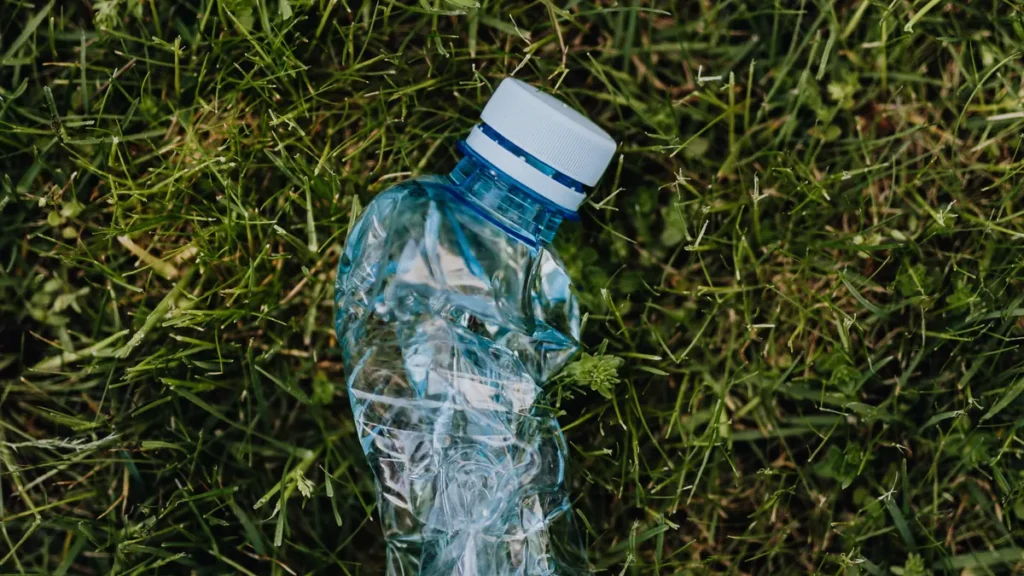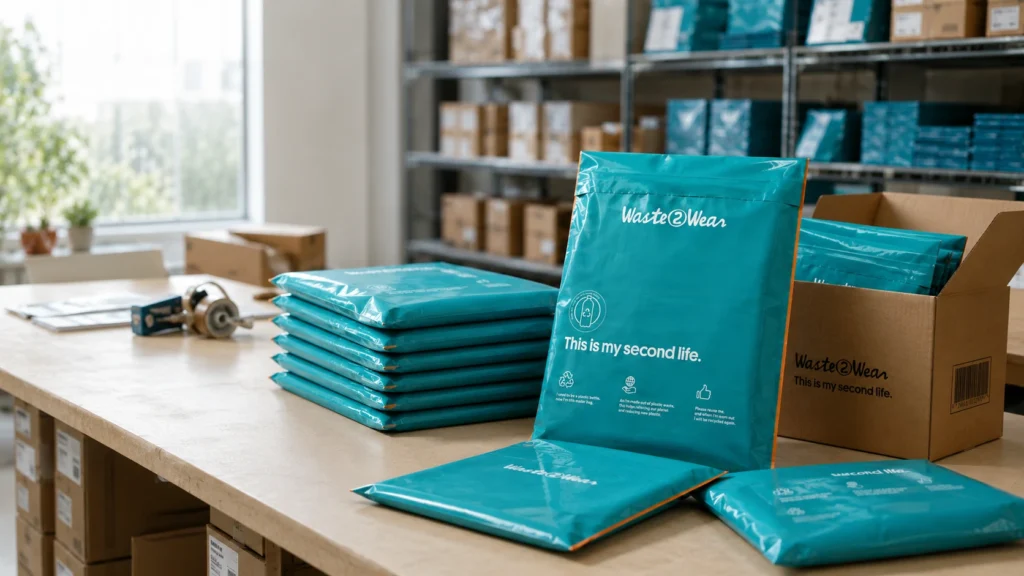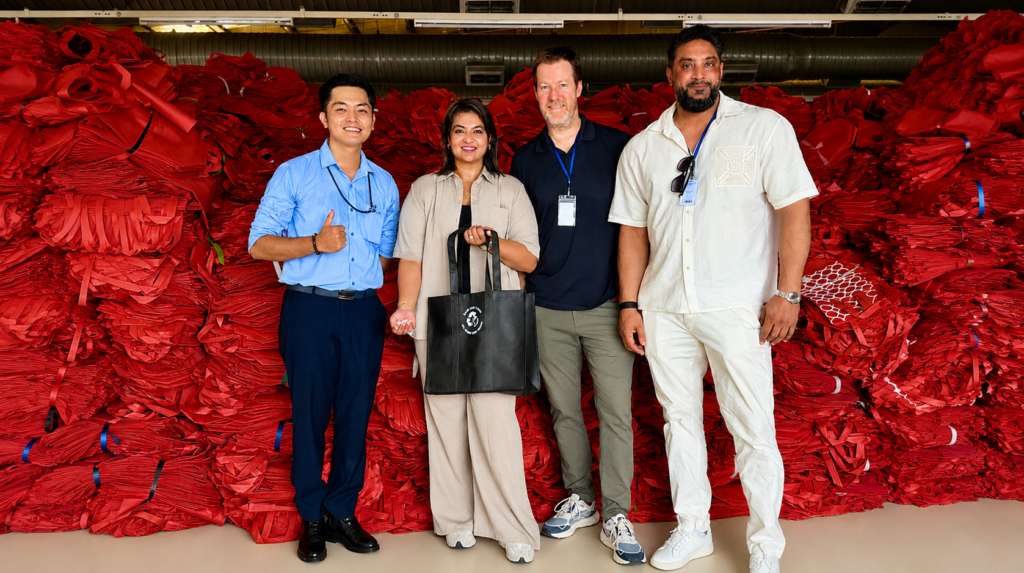
For many years, recycled polypropylene has been an important material in our reusable bag and packaging work. It allows brands to reduce their reliance on virgin plastic while giving existing plastic waste a second life in durable, practical products.
But recycled content is only one part of the story.
As regulation changes and environmental claims face more scrutiny, brands need to know more than whether a product contains recycled material. They need to know where that material came from, how clearly it can be documented, and whether the claim behind it can stand up to the questions now being asked by regulators, retailers, and consumers.
That is why we are refining the feedstock behind our recycled polypropylene bags.
Our rPP feedstock has previously come from a combination of end-of-life household appliances and post-consumer food containers. That material has met the requirements in place today. The reason for this transition is not that the previous feedstock was unsuitable, but that the regulatory and claims environment is moving quickly, and we want our clients’ documentation to be as clear as possible before those expectations tighten.
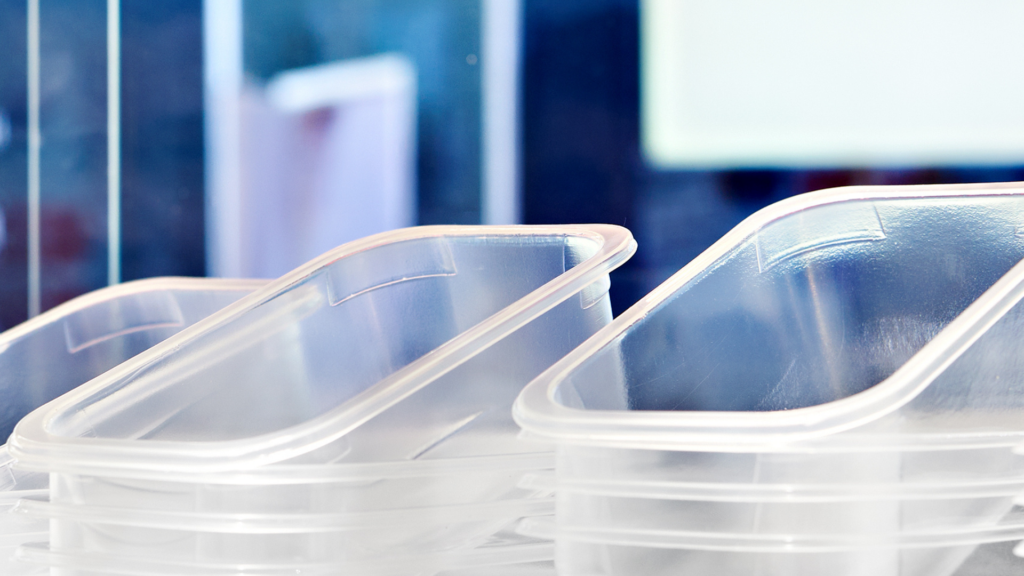
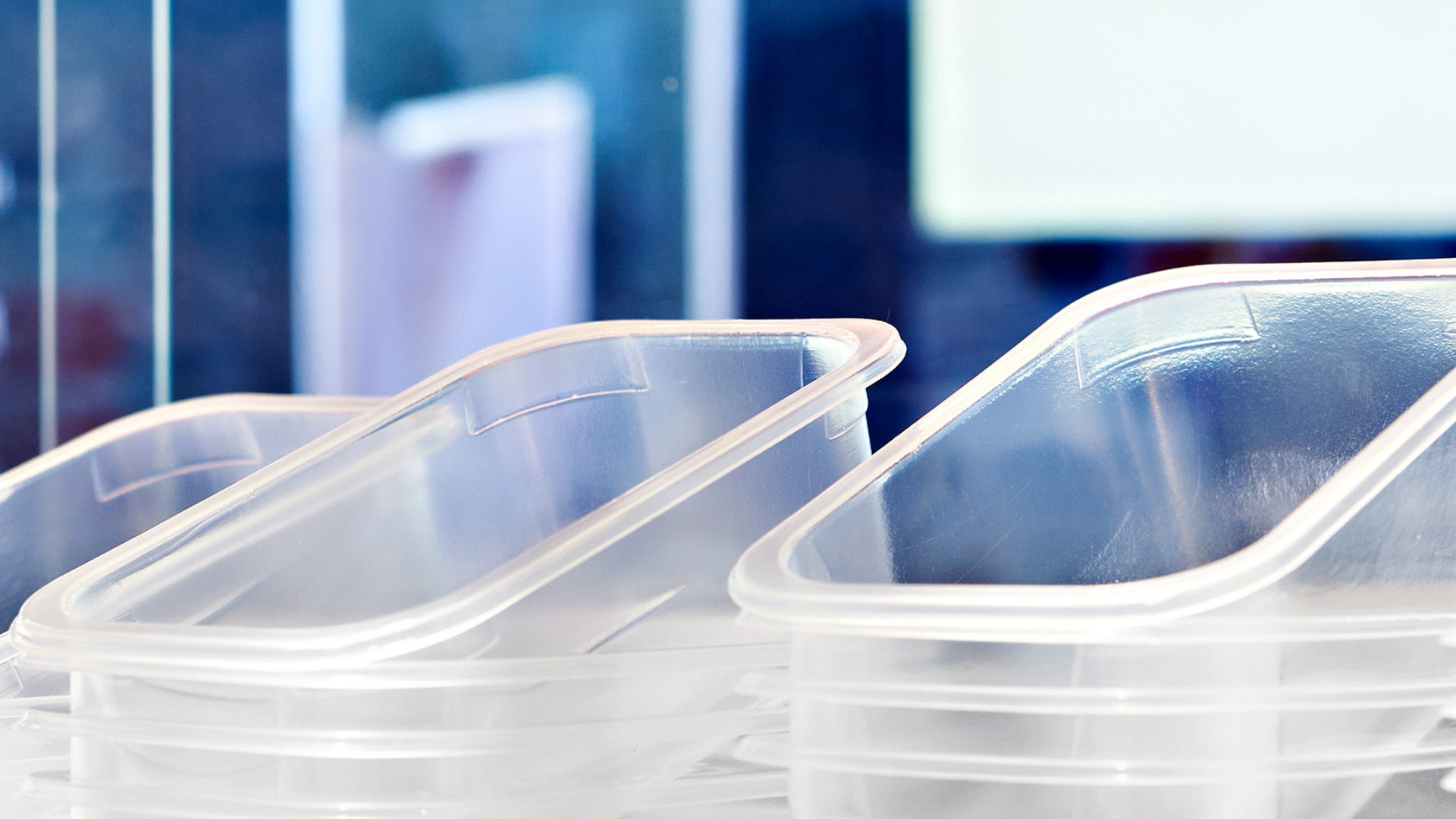
We are now moving to exclusively food-grade post-consumer packaging waste, specifically food containers and similar household packaging.
This is a deliberate choice. It gives our clients a more defined material story, a clearer basis for environmental claims, and a more confident position as packaging regulation continues to move in this direction.
Why the source of recycled polypropylene matters
Recycled polypropylene can come from many different sources. On paper, two products may both be described as rPP. In practice, the feedstock behind them can be very different.
That difference matters because the original use of the plastic affects how easily the material can be assessed, explained, and documented. A mixed recycled stream can be fully compliant, but it often requires more explanation. It may include materials with different histories, different applications, and different chemical profiles.
Food-grade post-consumer packaging starts from a more defined place.
Food containers and similar household packaging were originally made for applications where material safety matters. By choosing this source for our rPP bags, we can give brands a more specific answer to a question that is becoming increasingly important: what did this product used to be?
In our case, the answer is simple.
It used to be a food container.
Built for where packaging regulation is heading
The regulatory context around packaging is changing quickly, especially in the European Union.
The Packaging and Packaging Waste Regulation introduces stricter expectations for packaging materials, including new limits around chemicals such as PFAS. At the same time, the Empowering Consumers for the Green Transition Directive is raising the standard for environmental claims. General statements about recycled content are no longer enough. Claims need to be specific, supported, and verifiable.
For brands, this changes the conversation around recycled packaging.
It is no longer sufficient to ask whether a bag contains recycled plastic. The better question is whether the source of that recycled plastic can be clearly explained and properly supported.
That is the reason behind our transition to food-grade post-consumer packaging waste. We are aligning our rPP feedstock with the direction regulation is already taking.
A clearer claim for brands and consumers
One reason this matters is that rPP made from food-grade post-consumer packaging gives the material story more clarity.
“This bag used to be a food container” is not a decorative sustainability line. It is a specific claim about the feedstock behind the product.
That matters because sustainability communication is becoming more evidence-led. Buyers want to see documentation. ESG teams need claims they can substantiate. Consumers are increasingly sceptical of broad environmental language. A clear, specific claim is more useful than a larger claim that needs several paragraphs of explanation.
By moving our rPP bags to food-grade post-consumer packaging, we are helping our clients communicate recycled content in a way that is easier to understand and easier to support.
Reducing ambiguity in recycled sourcing
Mixed feedstock streams have played an important role in recycled materials. They help capture plastic waste from different sources and bring it back into use. For brand-facing packaging, especially in a stricter regulatory environment, mixed sources can create questions that take more work to answer.
What was the material before recycling?
Was it originally made for food-contact use?
How consistent is the feedstock?
Can the claim be explained clearly to customers, retailers, and regulators?
These questions are becoming part of normal sourcing discussions.
Our move to food-grade post-consumer packaging waste gives procurement and ESG teams a more straightforward answer. The feedstock is defined. The claim is specific. The documentation can support the story being told.
That gives brands a cleaner way to source recycled packaging and a clearer way to explain it.
What this means for Waste2Wear clients
For our clients, this transition is about confidence.
When sourcing rPP bags from Waste2Wear, brands can point to a defined post-consumer source: food containers and similar household packaging. This supports a clearer recycled content claim and reduces the ambiguity that can come with broader mixed material streams.
It also gives the product a more tangible circularity story. A food container becomes a reusable bag. A piece of household packaging waste is given a longer useful life. The material does not disappear into a generic recycled claim. It has a source that can be named.
That is the direction we believe recycled packaging needs to move in.
A more specific future for recycled packaging
The next phase of sustainable packaging will not be defined by recycled content alone. It will be defined by proof, traceability, and the ability to explain material choices clearly.
For rPP bags, we believe food-grade post-consumer packaging offers a more defined basis for that future.
It gives brands a recycled material with a clear origin. It supports more specific environmental claims. It helps procurement and ESG teams prepare for tighter expectations around packaging. And it gives consumers a simple, honest story they can understand.
Our rPP bags are moving to food-grade post-consumer packaging waste because the market is changing, and because recycled materials need to be as transparent as the claims made about them.
Yesterday’s food container can become tomorrow’s reusable bag.
That is the kind of circularity worth documenting properly.