Digital Product Passport
EU regulations will require Digital Product Passports for all textile products from 2028. Every product Waste2Wear manufactures is built to meet that requirement from day one.






What is a digital product passport?
A Digital Product Passport is scannable proof of everything your product claims to be.
It is a structured digital record, accessible via a QR code or NFC tag, that documents a product's full lifecycle: where its materials came from, how it was made, what its environmental impact is, and how it can be recycled at end of life.

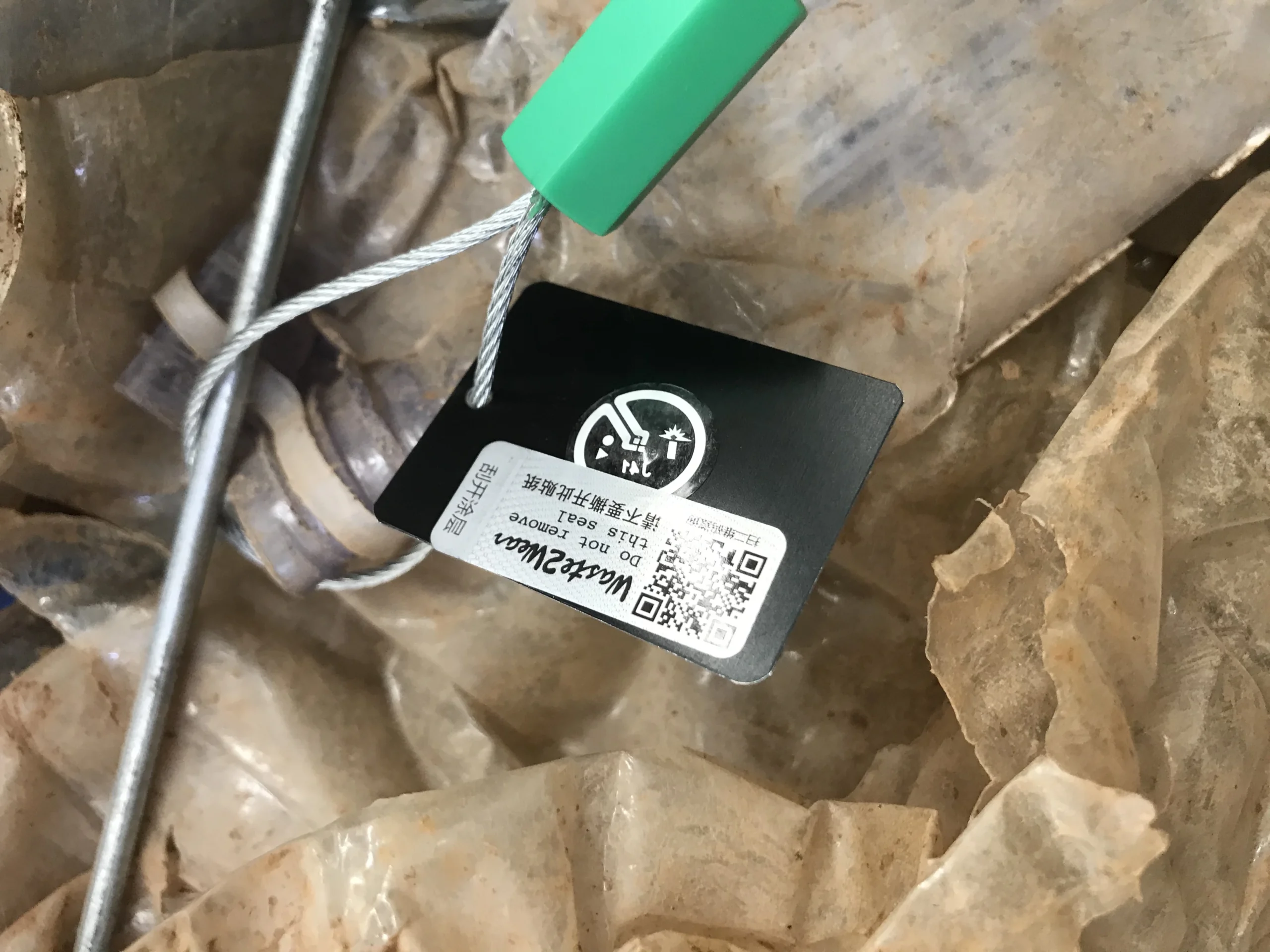

Every QR code on
this page is scannable
Built to meet the Digital Product Passport from day one
Every product we manufacture is assigned a structured data record covering material origin, recycled content, production steps and environmental impact. That data sits behind a QR code on the finished product, ready to meet the data architecture requirements of the EU ESPR Digital Product Passport regulation.
ESPR Becomes EU Law
The Ecodesign for Sustainable Products Regulation came into force in June 2024, establishing the legal framework for Digital Product Passports across all product categories. Any brand placing products on the EU market, regardless of where they are based, falls within its scope.
Textiles Confirmed as Priority Category
The European Commission adopted the 2025–2030 ESPR Working Plan in April 2025, which put textiles and apparel at the top of the list for early DPP requirements. If you sell textile products in the EU, this is the regulation that affects you.
EU Central DPP Registry Goes Live
The European Commission launches the centralised digital registry in July 2026 where all DPP data will be stored and accessed. Without this registry, enforcement cannot happen. It goes live this year.
Delegated Act for Textiles Adopted
The specific rules for textile DPPs are finalised and published. From this point, brands have 18 months to comply. The details of exactly what is required will be confirmed here.
Enforcement Begins
From this point, textile products without a compliant DPP can be blocked from the EU market. Retailers sourcing non-compliant products carry liability too, which is why suppliers are already being asked about DPP readiness.
What data does a textile digital product passport need to include?
While the final delegated act is expected in late 2026, the core data categories are confirmed under ESPR.
Every textile DPP will need to document the following, and every item on this list is data Waste2Wear already generates and verifies for every order.
Fibre composition
The exact percentage breakdown of all materials used, including recycled content, verified at the batch level.
Country of origin and manufacturing
Documented factory location, production dates, and responsible parties at each stage of the supply chain.
Carbon footprint per unit
A quantified CO₂ figure for the product, broken down by lifecycle stage from raw material to finished goods.
Recycled content verification
Scientific proof of the percentage of post-consumer recycled material. Not a certification number, but product-level data.
Water consumption metrics
Water usage data across the production process, benchmarked against virgin material equivalents.
End-of-life recyclability information
Care, reuse, and recycling guidance accessible to consumers via QR scan, the exact data DPP requires to be publicly available.
The same fabric, a fraction of the footprint
Our rPET performs identically to virgin polyester across durability, dyeability and moisture management. What changes is what goes into it. Every metre of rPET fabric we produce is made from post-consumer plastic bottles, which cuts the energy, water and carbon cost of production well below that of virgin polyester. The figures below hold true for the material itself. What they cannot tell you is what your product saved, because that depends on the fabric, the construction and the volume you ordered.
Our Environmental Impact Report gives you those numbers for the item you actually made.
70%
less energy used
86%
less water used
75%
less CO₂ emitted
Figures for rPET, measured against virgin polyester production
This is how Waste2Wear solves the Digital Product Passport
Every product we manufacture comes with the supply chain data, verified recycled content and environmental impact reporting that a Digital Product Passport requires.
Because we build traceability in from the start, your products are DPP-ready without any additional work on your end.
Blockchain-recorded supply chain
From everyday basics to premium collections, we handle everything from sampling through to finished garment, all within our certified, traceable supply chain.
QR code on every product
A unique QR code is printed on every Waste2Wear product.
One scan reveals the complete, verified journey, exactly the kind of consumer-accessible record the Digital Product Passport regulation requires.
Digital Product Passport data architecture
Every product we manufacture is assigned a structured data record covering material origin, recycled content, production steps and environmental impact.
That data sits behind a QR code on the finished product, ready to meet the data architecture requirements of the EU ESPR Digital Product Passport regulation.
Environmental Impact Report (EIR) per order
We deliver your finished goods along with the sustainability data your brand needs for compliance, communication, and credibility.
Frequently asked questions
What is a Digital Product Passport?
A Digital Product Passport is a structured, product-level data record required under the EU's Ecodesign for Sustainable Products Regulation, which is the framework behind it. For textiles, it will hold information such as material composition, recycled content and supply chain origin, accessible through a digital identifier like a QR code on the product itself.
When do DPP requirements take effect for textiles?
ESPR is the overarching framework, and the textile-specific delegated act is expected in late 2026. Once it is adopted, brands get an 18-month transition period before enforcement begins, which we expect around mid-2028. We keep this page updated as the timeline firms up.
Which products are affected?
The rules apply to textile products placed on the EU market, regardless of where the brand selling them is based. If you sell into the EU, the requirement follows the product into that market rather than depending on your company's headquarters.
What data must a textile DPP contain?
The confirmed data categories cover things like material composition, recycled content, durability and repairability information, chemical content, supply chain and origin data, and end-of-life or recyclability information. The exact fields are still being finalised as part of the delegated act, and we will update this page once they are confirmed.
How does Waste2Wear make products DPP-ready?
We already build a structured data record for every order, combining our RA3 or GRS-verified recycled-content figures with the blockchain-based traceability record and the QR code on the finished product. That record covers much of what a textile DPP will require, so we are not starting from nothing when the delegated act lands.
Do I need to do extra work to be DPP-compliant?
Not for the data we already collect. Because verification, traceability and reporting are built into our standard process rather than offered as an add-on, most of the DPP data requirement is already being generated for your orders, and we will work with you on anything additional the final delegated act requires.
What happens to non-compliant products after enforcement?
Once enforcement begins, non-compliant textile products can be blocked from the EU market, and liability can extend to retailers as well as brands, not just manufacturers. That is part of why we recommend getting the underlying data structured well before the enforcement date rather than waiting for it.
How does the EIR feed into DPP data?
Our Environmental Impact Report already captures order-specific environmental figures tied to a product ID, which overlaps with the kind of data a DPP will need to carry. Having that report in place ahead of enforcement means the underlying numbers are already structured rather than needing to be assembled after the fact.
Is the recycled-content data product-level or a certification number?
It is product-level. Through RA3 for rPET or GRS and our supply chain records for rPP, we tie a verified recycled-content figure to the specific product and order, not to a general certification number that applies across an entire range. That is the level of detail a DPP is expected to require.
Ideas, insights, and updates from our team
Building a circular future requires transparency and constant innovation. Here, we share news, insights, and project developments that highlight how we are transforming waste into premium products for global brands.