Reusable shopping bags
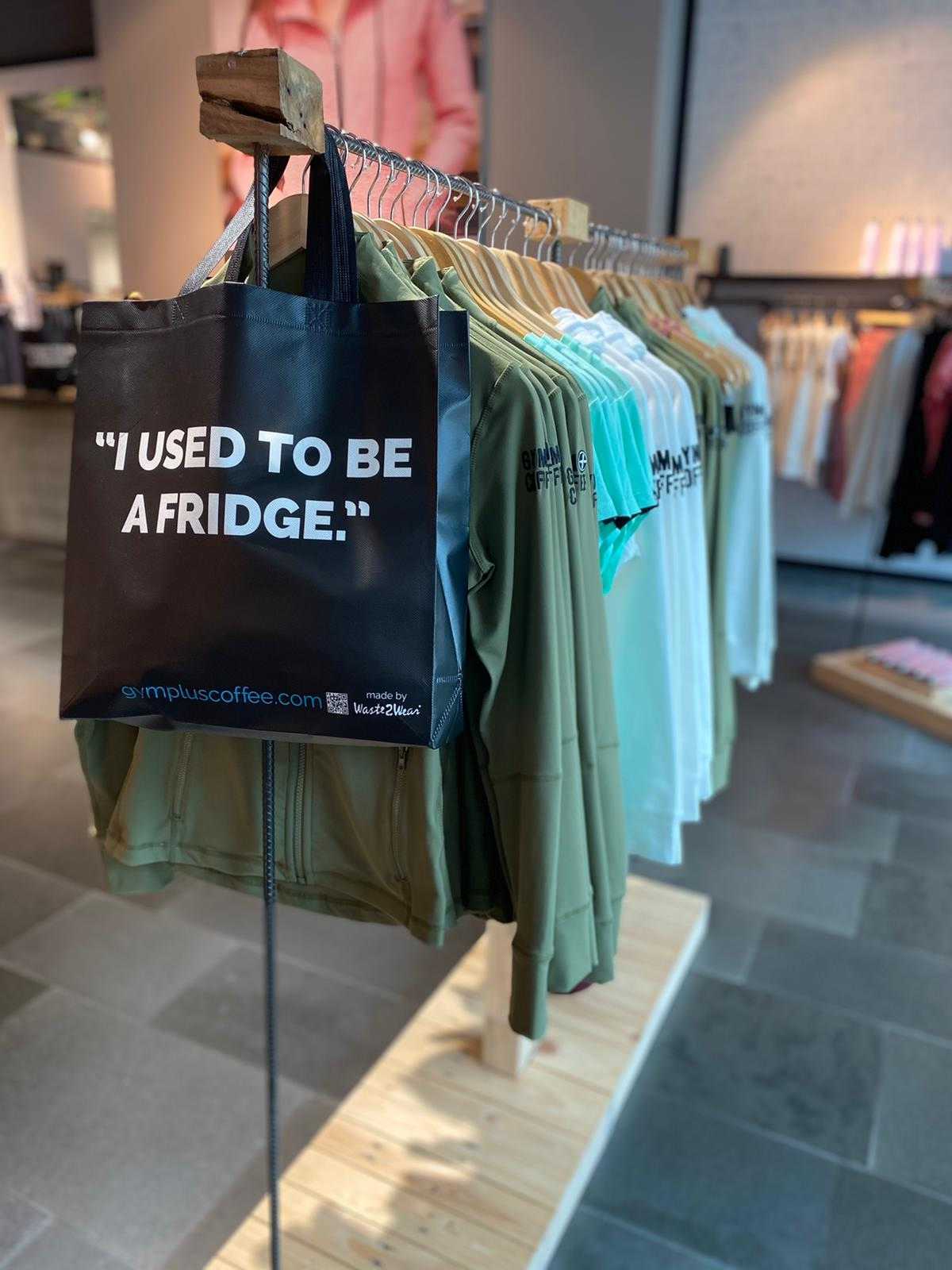
Our reusable shopping bags are made from 100% post-consumer recycled polypropylene, fully traceable from raw material to finished product and ready to carry your brand's sustainability story.






Reusable shopping bags with a verified story
We produce reusable shopping bags in China and Vietnam using 100% post-consumer recycled polypropylene, sourced from food containers. Every bag we make goes through a fully traceable production process, recorded on blockchain from the point of collection through to the finished product.
The same strength, a fraction of the impact
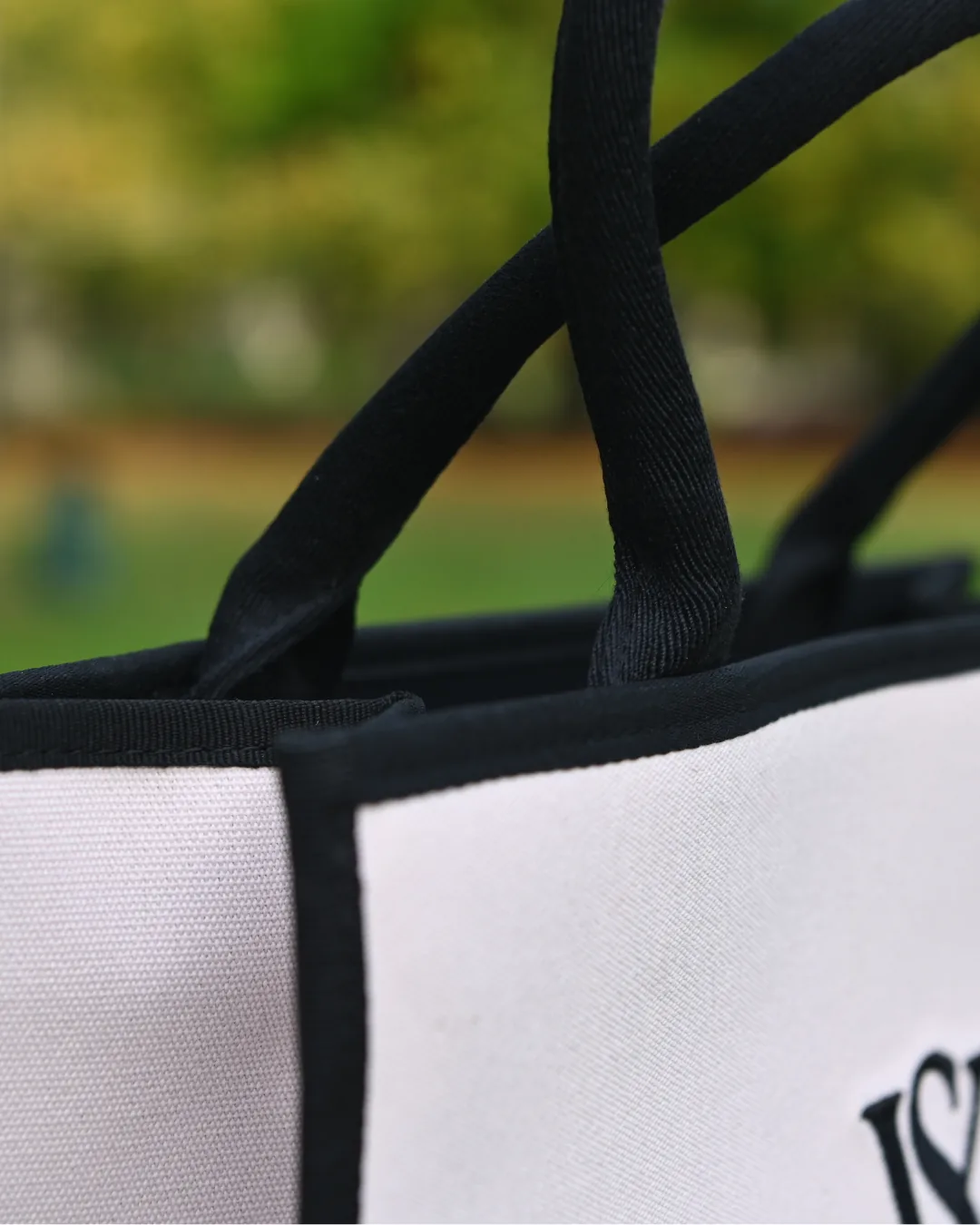
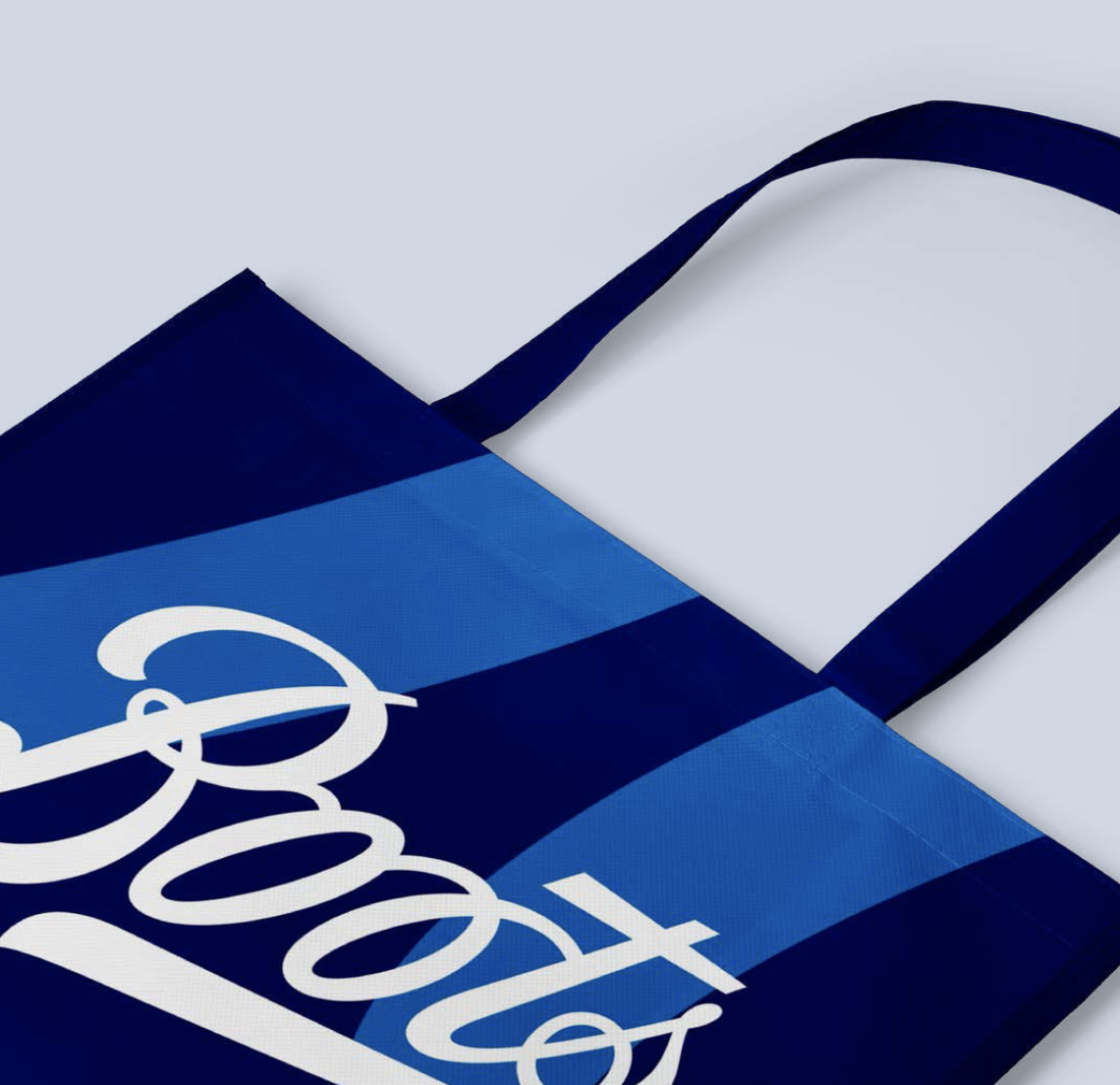
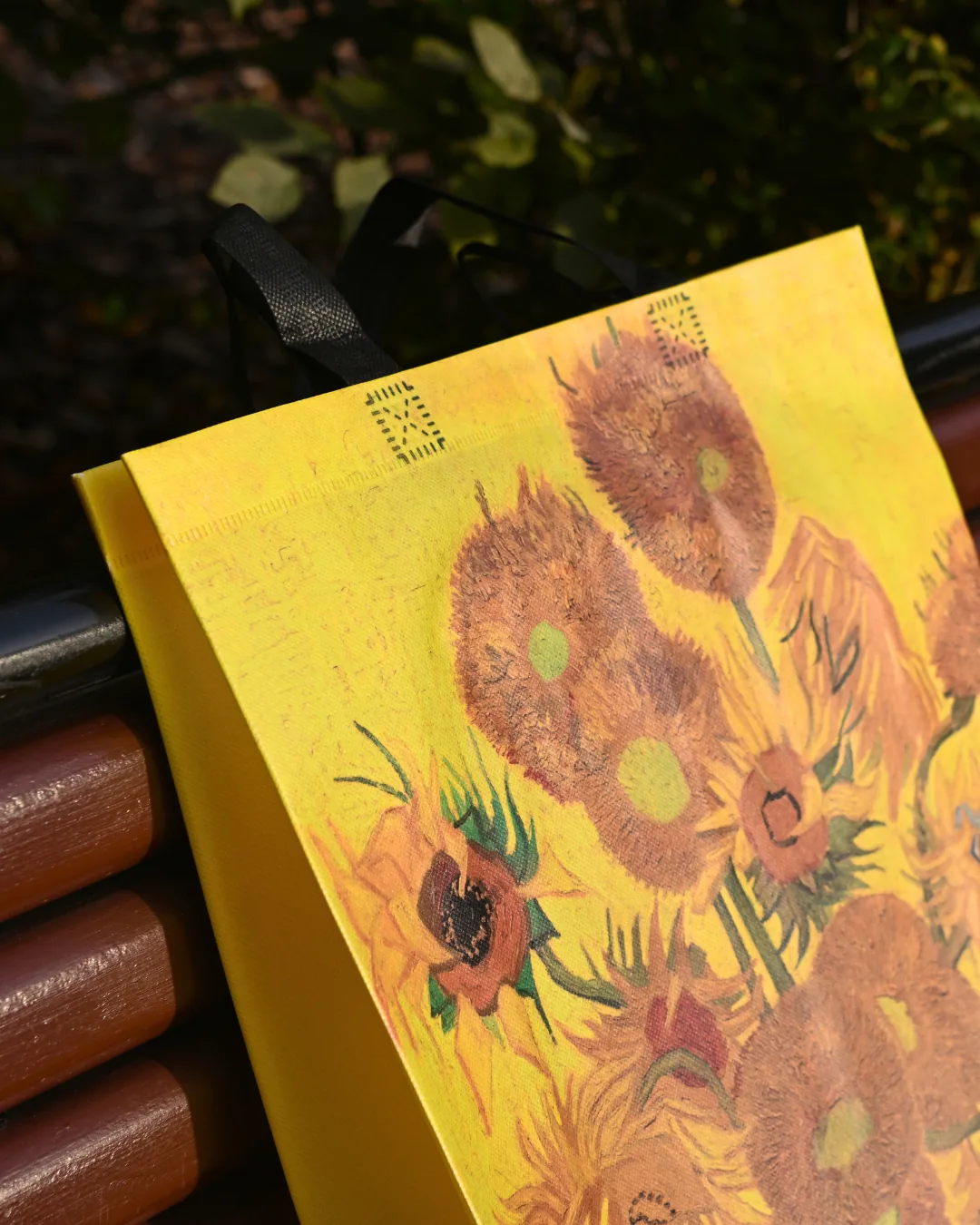
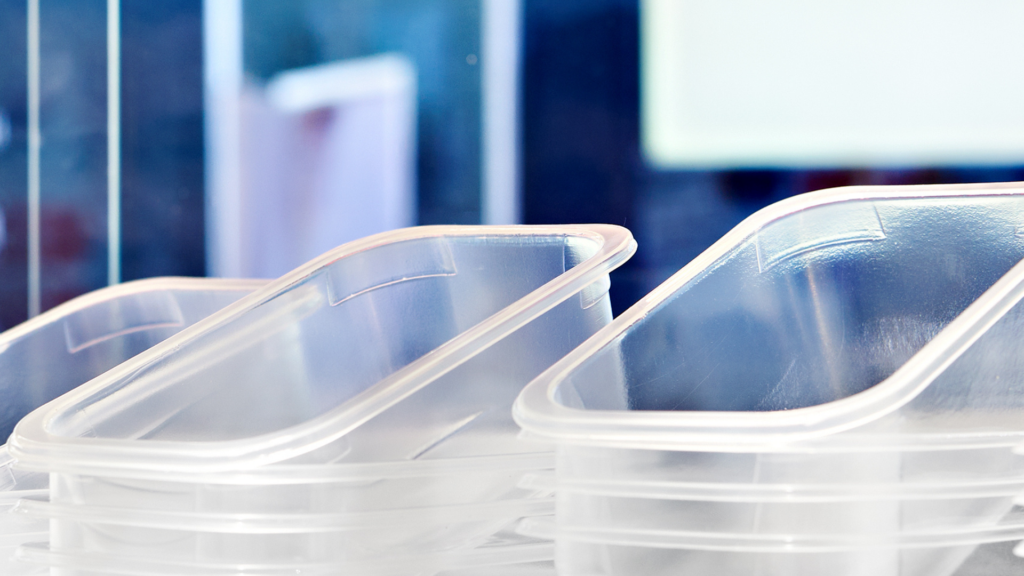
Our rPP bags are made from post-consumer food containers, recovered, cleaned and spun into non-woven fabric that behaves the way woven polypropylene always has. They hold their shape, they carry the weight, and they survive the trips that a paper alternative does not. What changes is the input, and the input is what moves the numbers below.
Those figures describe the material. They cannot tell you what your bag saved, because that depends on the weight of the fabric, the size you specified and the quantity you ordered.
Our Environmental Impact Report gives you those numbers for the bag you actually made.
88%
less energy used
46%
less water used
71%
less CO₂ emitted
Figures for rPP, measured against virgin polyester production
What our reusable shopping bags have to offer
Our bags are built for repeated use, designed to carry your brand and backed by verified recycled content, supply chain traceability and per-order environmental data that your sustainability team can actually use.
Digital Product Passport
Every bag we produce is ready for Digital Product Passport compliance. A QR code on each bag connects your customer to the full product story, and gives your brand the data architecture it needs to meet EU ESPR transparency requirements ahead of the 2027 deadline.
Made for both sides of the sale
Your retail buyers get full supply chain documentation and verified recycled content data. Your end customers get a QR code that shows where the plastic came from, how the bag was made and how much waste was diverted in the process. One bag, a better story for everyone who touches it.
Data-backed tracking
Every bag carries a unique QR code and barcode that tracks the precise weight, date and geolocation of every step in the supply chain. That data is recorded on blockchain, making it permanently verifiable by your compliance team, your retail buyers or any auditor who asks.
EPR & Compliance
As EPR regulations tighten across Europe and beyond, having documented, verifiable data on your products becomes a compliance requirement rather than a nice to have.
Every bag we produce comes with the recycled content figures, material sourcing records and environmental impact data your team needs to meet those requirements without additional legwork.
Our bags are tailored for your brand
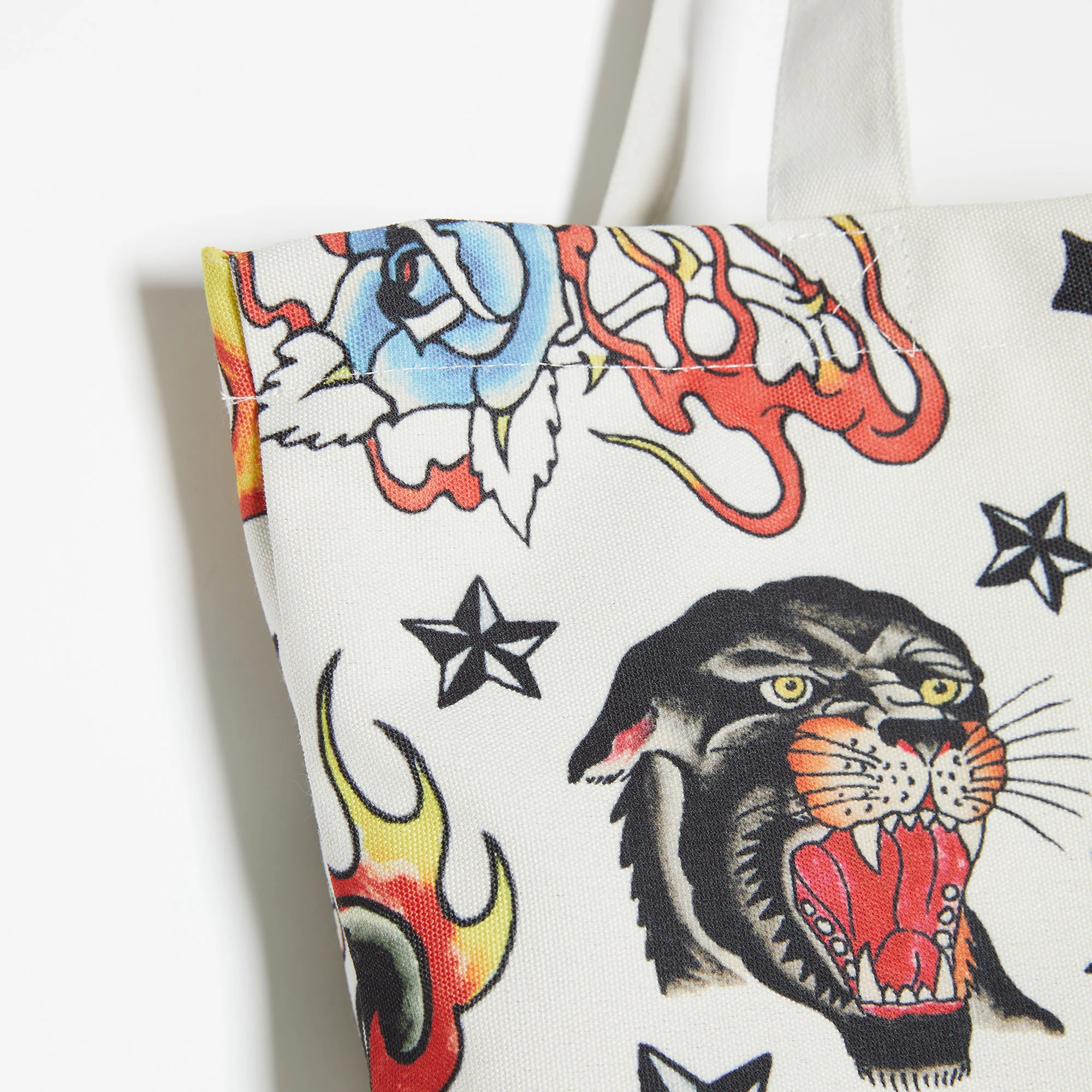
We work with your team on size, colour, weight, print and finish to produce a bag that fits your brand standards. Every bag carries the same verified recycled content and full supply chain traceability regardless of what you order.
Frequently asked questions
What are your reusable shopping bags made from?
Our reusable shopping bags are made from 100% post-consumer rPP, sourced entirely from food containers. We moved deliberately to this feedstock, and no other waste streams are part of it, so what goes into a bag is exactly what we say it is. You can read more about that sourcing decision in our rPP feedstock article.
Where are the bags manufactured?
We manufacture the bags in China and Vietnam. Both locations run under the same certification and traceability standards, so the manufacturing location does not change the recycled content, the quality control, or the supply chain record behind the product.
How customisable are the bags?
We can customise size, colour, weight, print and finish to match your brand and use case. We work with your product team through the sampling process to get the specification right before full production, so the finished bag fits your requirements rather than a fixed off-the-shelf range.
How is the recycled content of the bags verified?
Because our bags are made from rPP, we verify recycled content through GRS certification and our supply chain records rather than RA3, which is scoped specifically to rPET. That distinction matters, so we are clear that GRS and our documented sourcing, not RA3, are what stand behind the recycled-content claim on a bag.
Are the bags traceable?
Yes, every bag carries a QR code linking to its full supply chain record, from where the food containers were collected through to manufacturing. That record is held on blockchain, so it is tamper-proof and available to you, your customers or an auditor at any time.
Are the bags Digital Product Passport ready?
Yes, the structured, product-level data we already keep for traceability and reporting lines up closely with what a Digital Product Passport will require once textile rules take effect. That means moving to DPP compliance should add relatively little extra work on top of what we already track for you.
What environmental savings does rPP offer?
Compared with virgin polypropylene, our rPP uses 88% less energy, 46% less water and 71% less CO2. We can provide these figures specific to your order through an Environmental Impact Report, rather than as a general claim about the material.
What is the minimum order quantity?
Minimum order quantities depend on the bag style, material weight and level of customisation, so we work this out with you directly once we understand the specification. Getting the details right at this stage also helps us give you an accurate lead time alongside the quantity.
How do the bags help with EPR and packaging compliance?
As packaging and recycled-content rules tighten across the EU, including minimum recycled-content requirements that begin phasing in from 2030, having a bag with verified, documented rPP content and full traceability gives you evidence to support compliance reporting rather than a claim you have to take on faith. We can talk through what that looks like for your specific market.
News and insights
Updates on EU regulation, recycled materials and the work we do with brands.
Sustainability Insights
What Is rPET Fabric? How It's Made, How It Performs and How to Verify It

Regulations & Compliance
EmpCo now applies across the EU: what it means for the recycled products already in your warehouse
Regulations & Compliance
A green leaf can now be an environmental claim
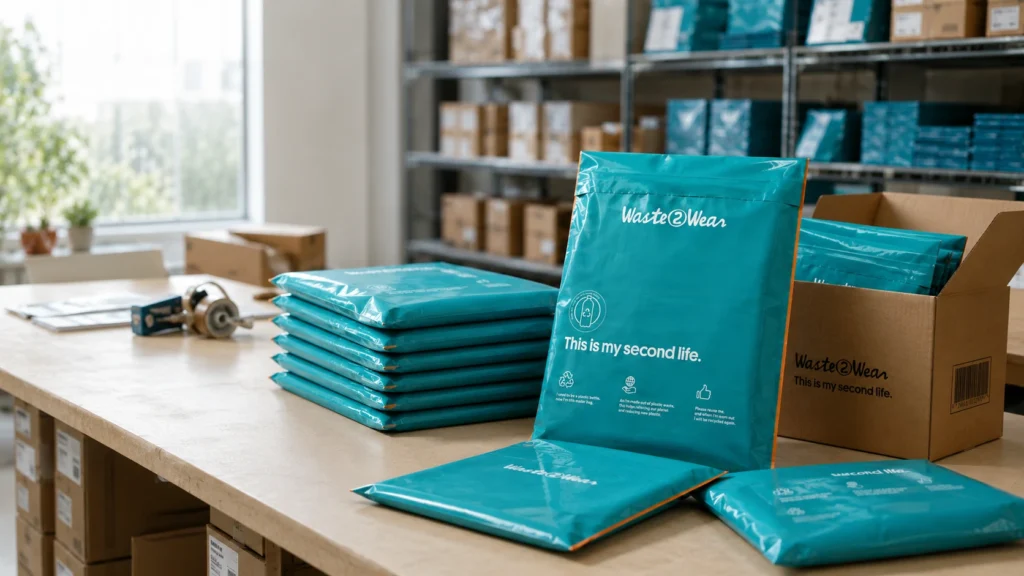
Regulations & Compliance
PPWR Is Now in Force: What Applies From Today, and What Waits Until 2030
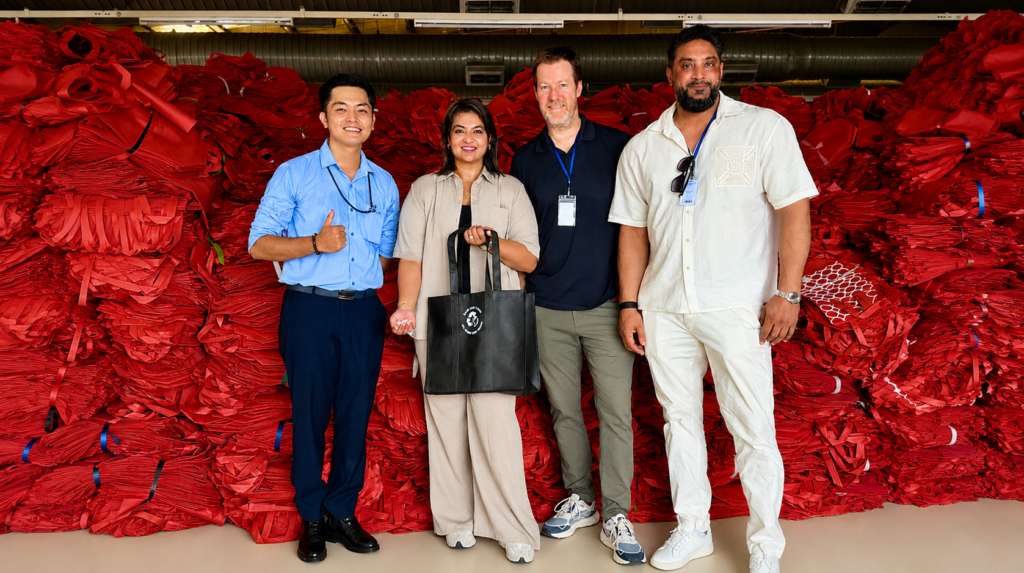
News
Yesterday's Food Container, Tomorrow's Shopping Bag: Waste2Wear and Kwality Holdings Launch in Southern Africa

Sustainability Insights
How recycled content actually gets verified
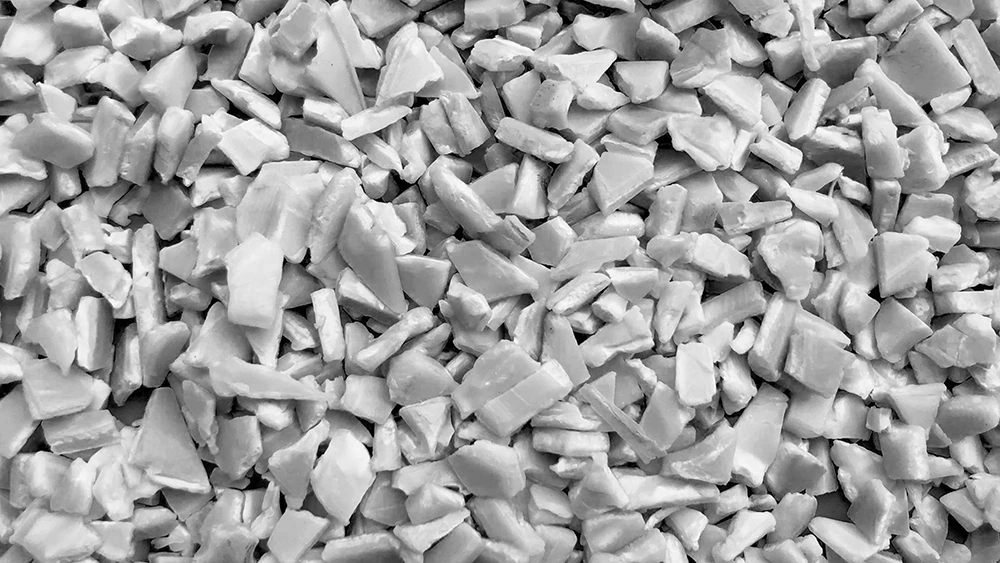
Regulations & Compliance
PPWR recycled-content thresholds, in practice
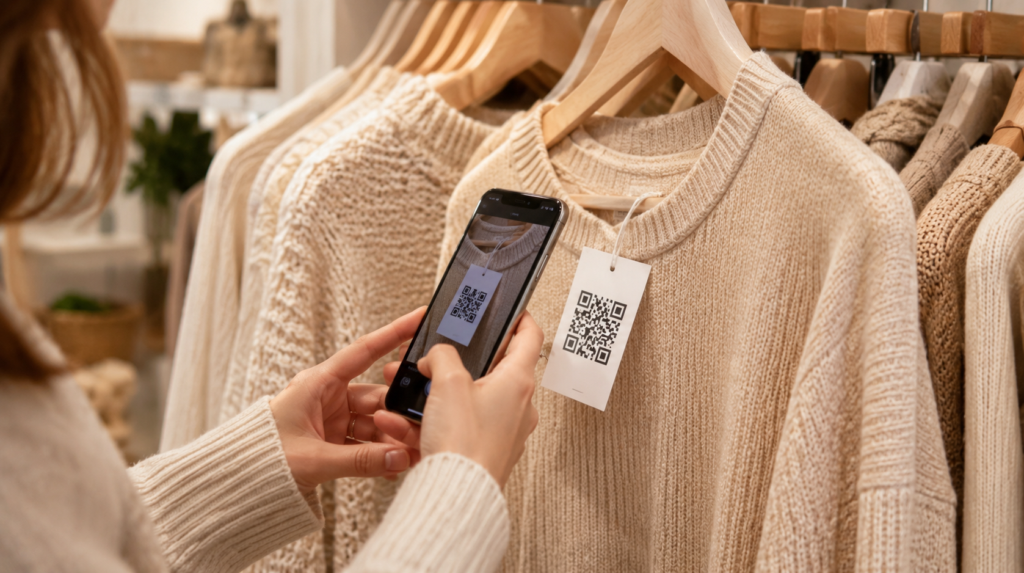
Regulations & Compliance
PPWR supplier questionnaires are arriving. Here's what brands should ask recycled packaging suppliers
Sustainability Insights
Why we are moving our rPP bags to food-grade post-consumer packaging

Case studies