Since 2007 — A Pioneer in Sustainable Textiles
Transforming plastic waste into verified circular textiles, transparently, traceably, at scale.
Who are we?
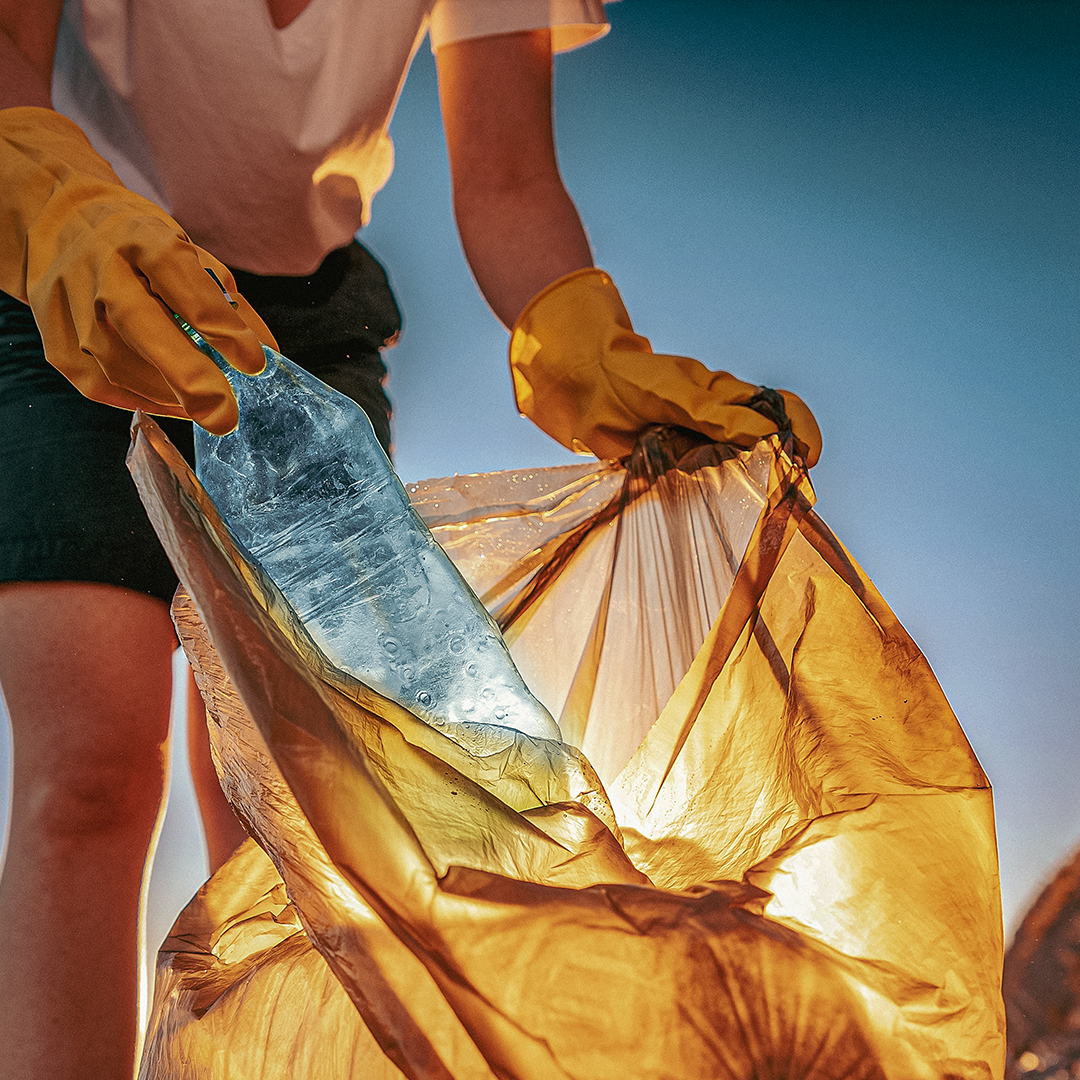
Waste2wear is a spinoff of Vision Textiles, founded in 1998 by Dutch textile engineer and entrepreneur Monique Maissan. In 2007, the company began developing innovative textiles made from recycled plastic bottles, and the name Waste2Wear was born to reflect exactly that: transforming 100% post-consumer plastics into high-quality recycled textile products.
Our innovation-driven approach led us to develop award-winning blockchain technology. Every product carries a unique QR code that traces the journey from plastic waste, step by step, to finished textile. Fully transparent and verifiable, built for today’s EPR and Product Passport requirements.

Building a sustainable future, one step at a time
Since our founding, we have grown into a global force built on trust, always transparent, innovative and surprising. Each milestone marks our commitment to innovation, scale and verified impact.
Founding of Vision Textiles by Monique Maissan, Hong Kong
First recycled materials developed for the textile industry
Official launch of the Waste2Wear brand
Establishment of India operations
Company officially renamed Waste2wear
Invention of RA3 (proof of plastic bottle origin) — Patent Pending
Introduction of 100% post-consumer RPP
Launch of award-winning blockchain for full supply chain transparency
Majority shares acquired by North Bay Capital (Canada)
Patent-pending RPP recipe for woven and non-woven shopping bags
Canadian HQ established in Vancouver; new CEO appointed
European sales office opened in Haarlem, the Netherlands
Strategic partnership with Bureau Veritas
Sales partnership with Kwality Holdings (South Africa, Namibia, Botswana)
A global organisation
From Asia to the Americas, Europe to Africa, Waste2Wear operates and collaborates across the world. With production hubs, sales offices and strategic partners spanning multiple continents, we bring verified circular textiles to where they’re needed most.
Meet our CEO

George Tsogas
George brings over two decades of leadership in the apparel industry, marked by deep operational expertise and global brand growth. As VP of Global Logistics at Lululemon, he was instrumental in scaling the company’s retail footprint from just 4 stores to more than 300 worldwide. He later served as CEO and owner of Kit and Ace for six years, leading the brand through a successful turnaround and sale in 2023.
RECOGNITION
Proud of what we’ve built
A few highlights from over two decades of innovation in sustainable textiles.
Sustainability, Environmental Achievement and Leadership
Package Innovation Sustainable Design

Corporate Social Responsibility Award

Plastic Products Design Innovation Recycling Model
Outstanding Environmental and Climate Performance
Sustainability, Environmental Achievement and Leadership
Corporate Social Responsibility Award
Sustainable Supply Chain Award
Ideas, insights and updates from Waste2Wear.
Building a circular future requires transparency and constant innovation. Here, we share news, insights, and project developments that highlight how we are transforming waste into premium products for global brands.
FAQ
Have any questions?
We believe transparency shouldn’t be complicated. Below, we’ve answered the most common questions about our recycling process, how we verify our supply chain, and what makes our materials different.
How does rPET compare to virgin polyester?
From a performance standpoint, rPET behaves the same as virgin polyester. It offers the same durability, dyeability and moisture-wicking properties. The difference is entirely in the source material — rPET starts as 100% post-consumer recycled plastic bottles rather than new raw materials, using 70% less energy, 86% less water and 75% less CO2 in the process.
What certifications do your fabrics carry?
Our fabrics are produced under GRS (Global Recycled Standard) certification. All of our factories are certified to BSCI, GOTS and RDS standards. In addition, every product can be tested using our patent-pending RA3 method, which gives you a precise recycled content percentage. Third-party lab verification is available on request.
Can I get custom colours and weights?
Yes. We work with your product team to match fabric weight, hand feel and colour to your requirements. If you have specific technical specifications, we can discuss those during the sampling process.
How does traceability work on the finished product?
Every product comes with a QR code that connects the end user to the full supply chain story, from where the plastic was collected to how it was processed and manufactured. That information is recorded on blockchain, making it tamper-proof and permanently accessible.
What is the minimum order quantity?
Minimum order quantities vary depending on the fabric type and application. Contact us directly and we can discuss what works for your production volume.