
The Jane Goodall Institute
Ranger uniforms in Gombe, with 75 percent lower carbon emissions

The brand
Dr Jane Goodall went into the forest to study the lives of chimpanzees and came out of it to save them, having found that their survival was threatened by habitat destruction and illegal trafficking. She founded the Jane Goodall Institute in 1977. Since then, 3.4 million acres of habitat have been brought under conservation action plans, hundreds of chimpanzees and gorillas have been rescued and cared for, and more than a hundred communities living in or near chimpanzee habitat have been given sustainable livelihood projects that improve their incomes.
Industry
The Jane Goodall Rangers protect the endangered chimpanzees of Gombe. The work puts them in the habitat, in the weather, all day. They needed uniforms that were durable and weatherproof enough to protect them, and comfortable, flexible and soft enough to wear for a working life spent outdoors.
Uniforms are one of the largest necessary uses of fabric in the world, and they are usually produced at the lowest cost that can be arranged. Sustainability rarely enters the specification.
What we made
We joined forces with Logonet and Repeltec to create the ranger uniforms, and we have been supplying them through the Jane Goodall Institute in Gombe since 2020. The fabric choice mattered more than anything else in the brief. The rangers have reported not only how the uniforms feel to work in, but that they are proud to wear them.
Uniforms are one of the world's largest necessary use of fabric and it is common to produce uniforms at the lowest possible cost, not taking sustainability into consideration. However, Waste2Wear has produced the uniforms for our rangers in Tanzania that are not only environmentally friendly by removing tons of plastic trash from our landfills, but they have also a positive impact in terms of reduced carbon emissions, water wastage and energy consumption. Thanks to Waste2Wear the carbon emissions of our uniforms was reduced by 75%.
Marjolein Lankhout
The Jane Goodall Institute
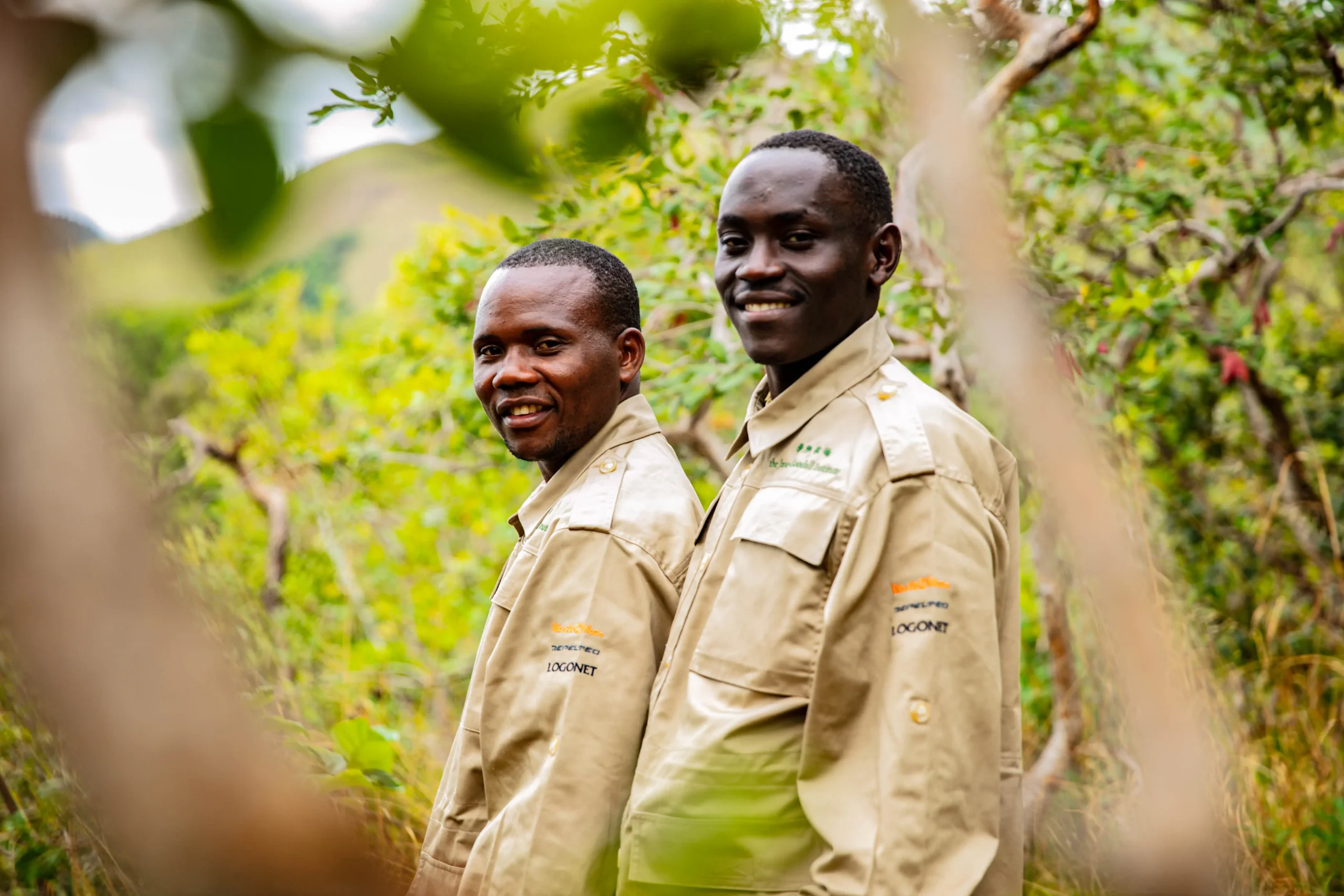
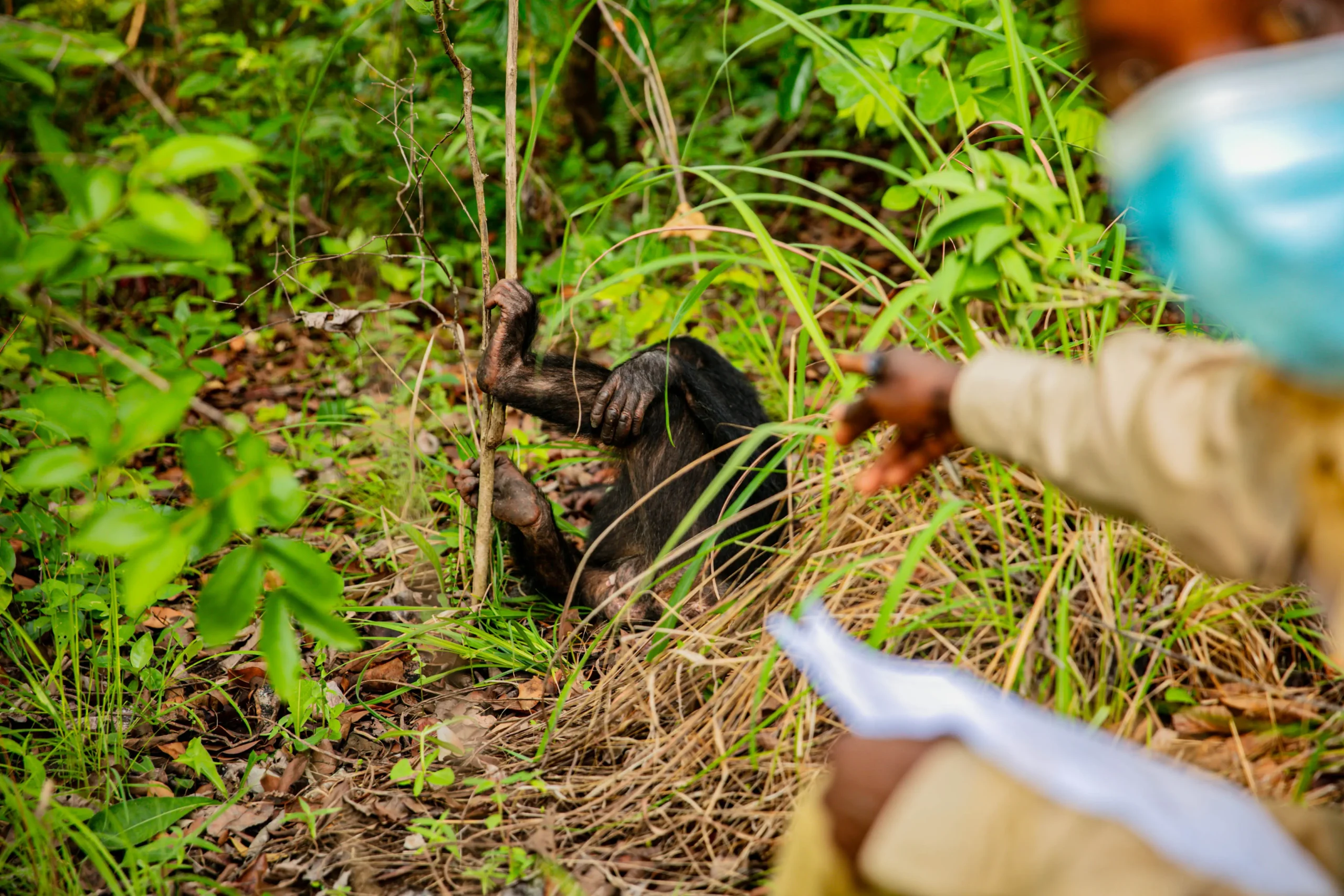
An environmental study of the production found that the uniforms saved tens of thousands of plastic bottles from landfill, and used 70 percent less energy, 86 percent less water and produced 75 percent less CO₂ than the same uniforms made from non-recycled fabrics.¹
To clear the emissions from transporting the uniforms to Tanzania, we donated to the Jane Goodall Institute's Roots and Shoots initiative to plant trees in areas at risk of desertification. Members of the initiative will monitor those trees over the next ten years. The planting is equivalent to the removal of 2,280 kg of CO₂, fifteen times the emissions caused by transporting the uniforms.