
Case Study: The Jane Goodall Institute
Client: The Jane Goodall Institute
Product: Ranger uniforms, Gombe, Tanzania
Partnership since: 2020
Partners: Waste2Wear, Logonet, Repeltec
Here is what we saved working with The Jane Goodall Institute:
2,484
PET BOTTLES
2,347
LITERS OF WATER
188
KG OF CO2
Uniforms for the people protecting our planet
The Jane Goodall Institute has been working to protect chimpanzees and their habitats since 1977. Founded by Dr. Jane Goodall, the Institute today covers 3.4 million acres of habitat under conservation action plans, has rescued hundreds of chimpanzees and gorillas, and supports over 100 communities living near chimpanzee habitat with sustainable livelihood projects.
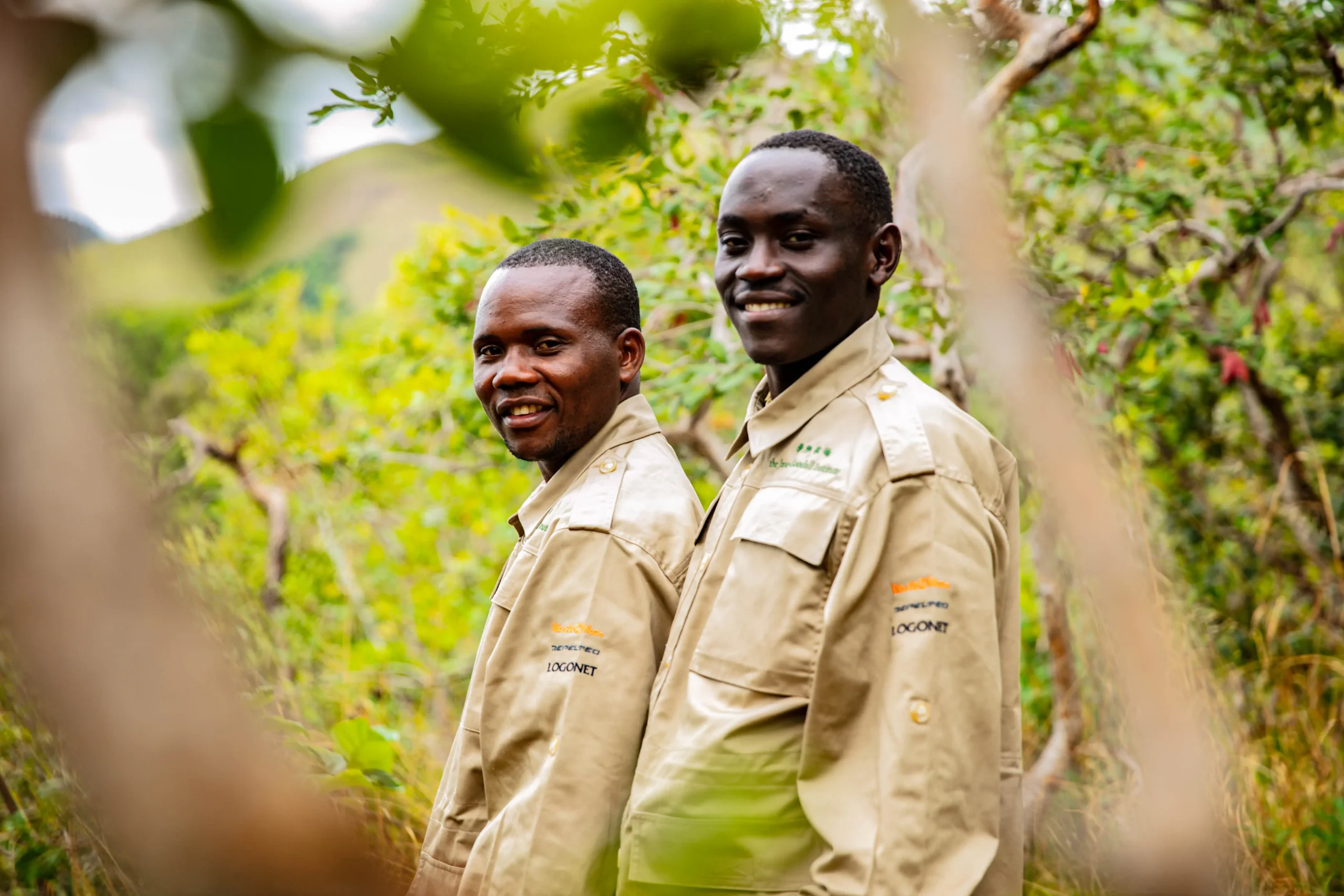
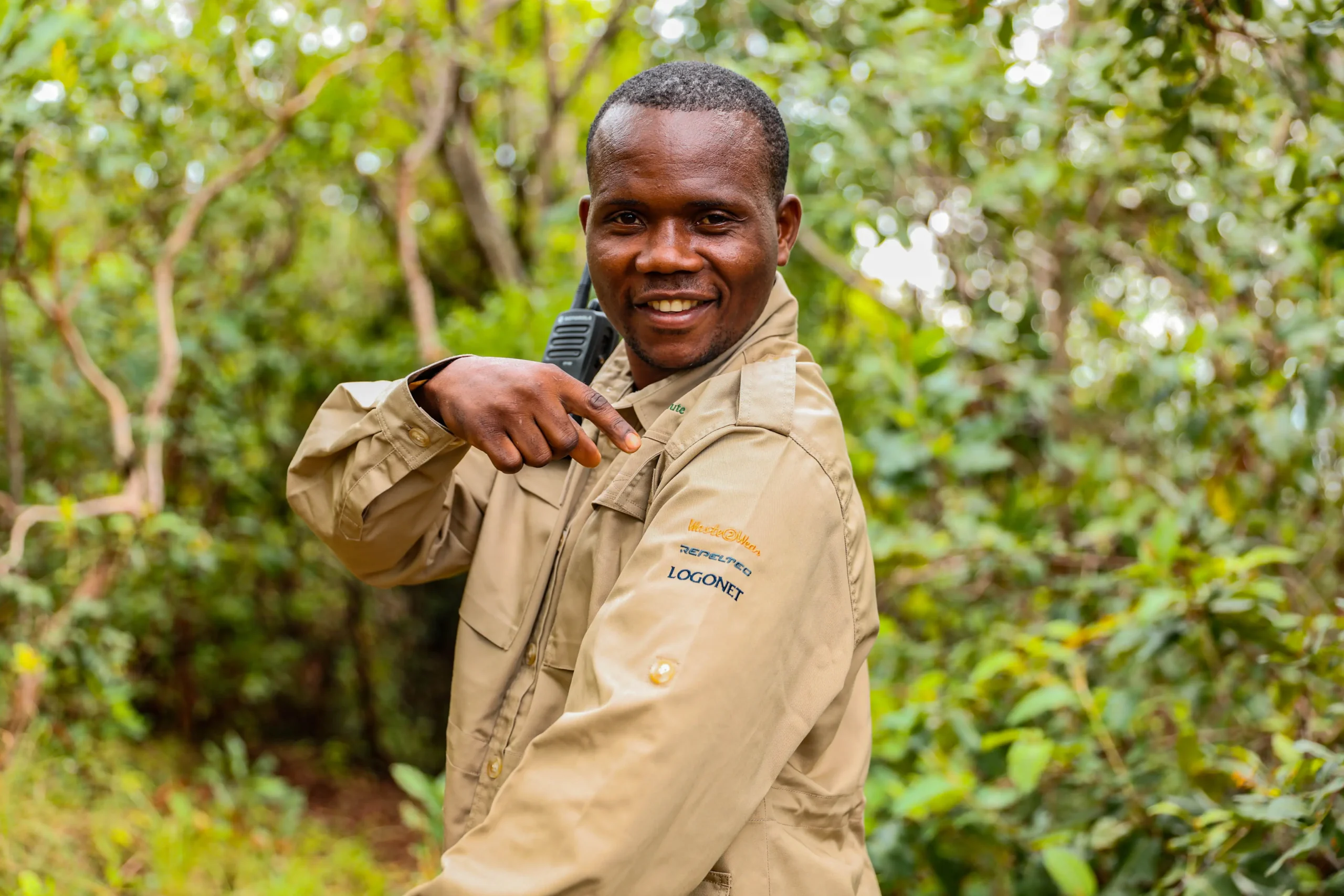
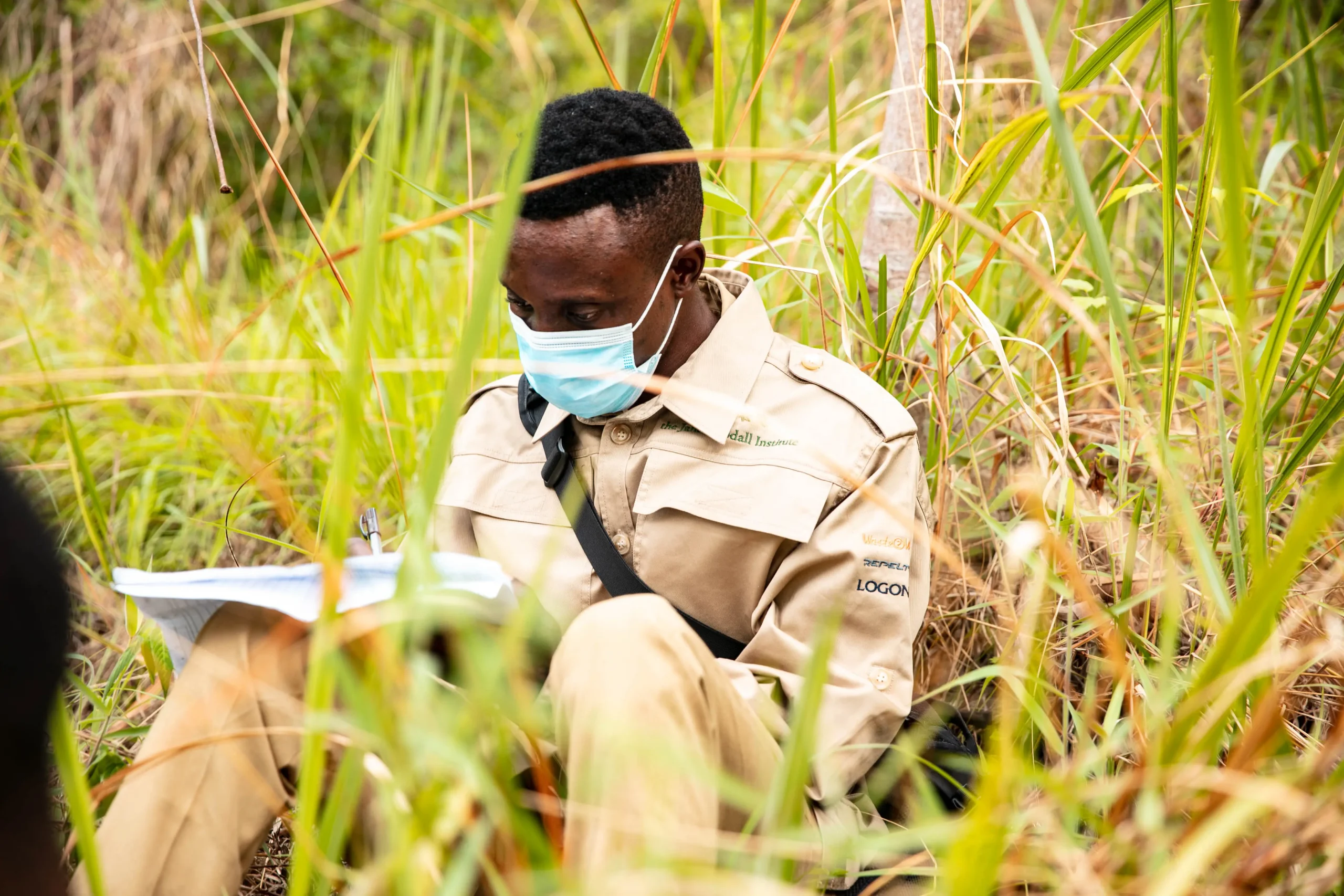
Central to that work are the Jane Goodall Rangers, teams based in Gombe, Tanzania, who spend their days protecting some of the last remaining chimpanzee populations in one of the most challenging environments on earth.
The challenge
Rangers working in Gombe need uniforms that hold up to the job. The terrain is demanding, the climate is tough and the work requires clothing that is durable, weatherproof and comfortable enough to wear through long days in the field.
For an organisation built around environmental responsibility, the materials those uniforms were made from mattered. The Institute needed a supplier that could meet their sustainability requirements without compromising on the performance the rangers needed in the field.
The solution
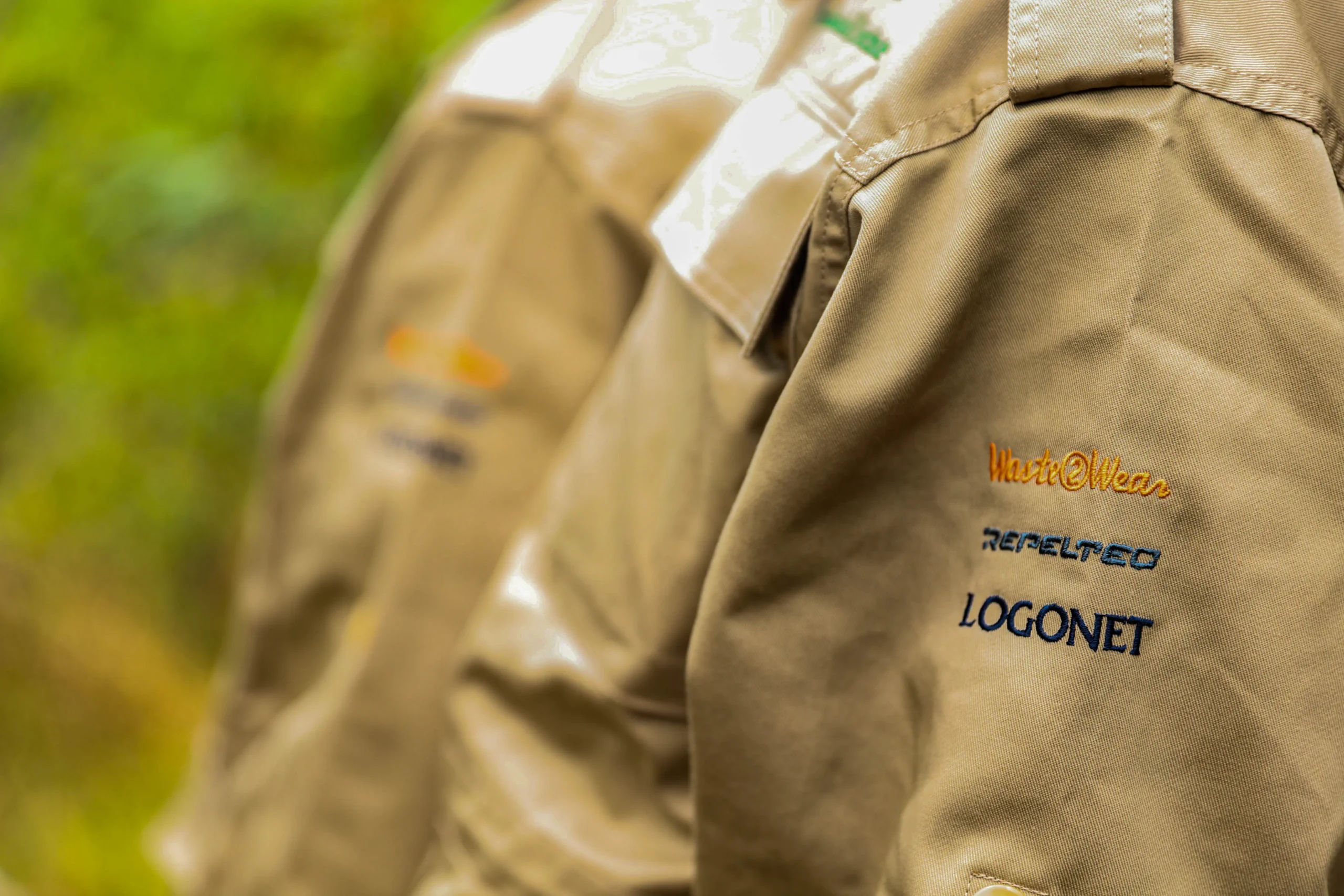
Waste2Wear partnered with Logonet and Repeltec to develop and supply ranger uniforms that worked for both the people wearing them and the environment they were protecting.
The fabric selection was taken seriously. The uniforms needed to be comfortable, flexible and soft to the touch while remaining durable enough for active fieldwork in a natural environment. Waste2Wear's rPET fabrics, made from 100% post-consumer recycled plastic bottles, met those requirements.
The partnership has been supplying uniforms to the rangers since 2020. The rangers have reported feeling comfortable in the uniforms and proud to wear them.
Marjolein Lankhout of the Jane Goodall Institute shared her experience:
"Uniforms are one of the world's largest necessary uses of fabric and it is common to produce uniforms at the lowest possible cost, not taking sustainability into consideration. However, Waste2Wear has produced the uniforms for our rangers in Tanzania that are not only environmentally friendly by removing tons of plastic trash from our landfills, but they have also a positive impact in terms of reduced carbon emissions, water wastage and energy consumption. Thanks to Waste2Wear the carbon emissions of our uniforms was reduced by 75%."
The results
The uniforms were made from a soft and durable recycled polyester cotton fabric. In an environmental study conducted on the production of this specific order, the figures were as follows.
2,484 PET bottles saved from landfill
2,347 litres of water saved, equivalent to what one person drinks over two years
188 kg of CO2 saved, equivalent to what a single tree absorbs over eight years
2,527 MJ of energy saved, enough to power a light bulb for two years
Compared to producing the same uniforms from non-recycled fabrics, the order also used 70% less energy, 86% less water and 75% less CO2 overall.