Traceability and Smart Seals
Every product we make is tracked from the point where plastic waste is collected through to the moment it reaches you, with a verifiable record at every step.
A Transparent Supply Chain
For every order, we design a dedicated supply chain that maps each stage of production, from waste collection and processing to yarn, fabric, and finished goods.
All suppliers are pre-approved and regularly verified to meet strict environmental and operational standards. Each step is recorded, creating a continuous and reliable record of material flow and transformation.
How we track every step
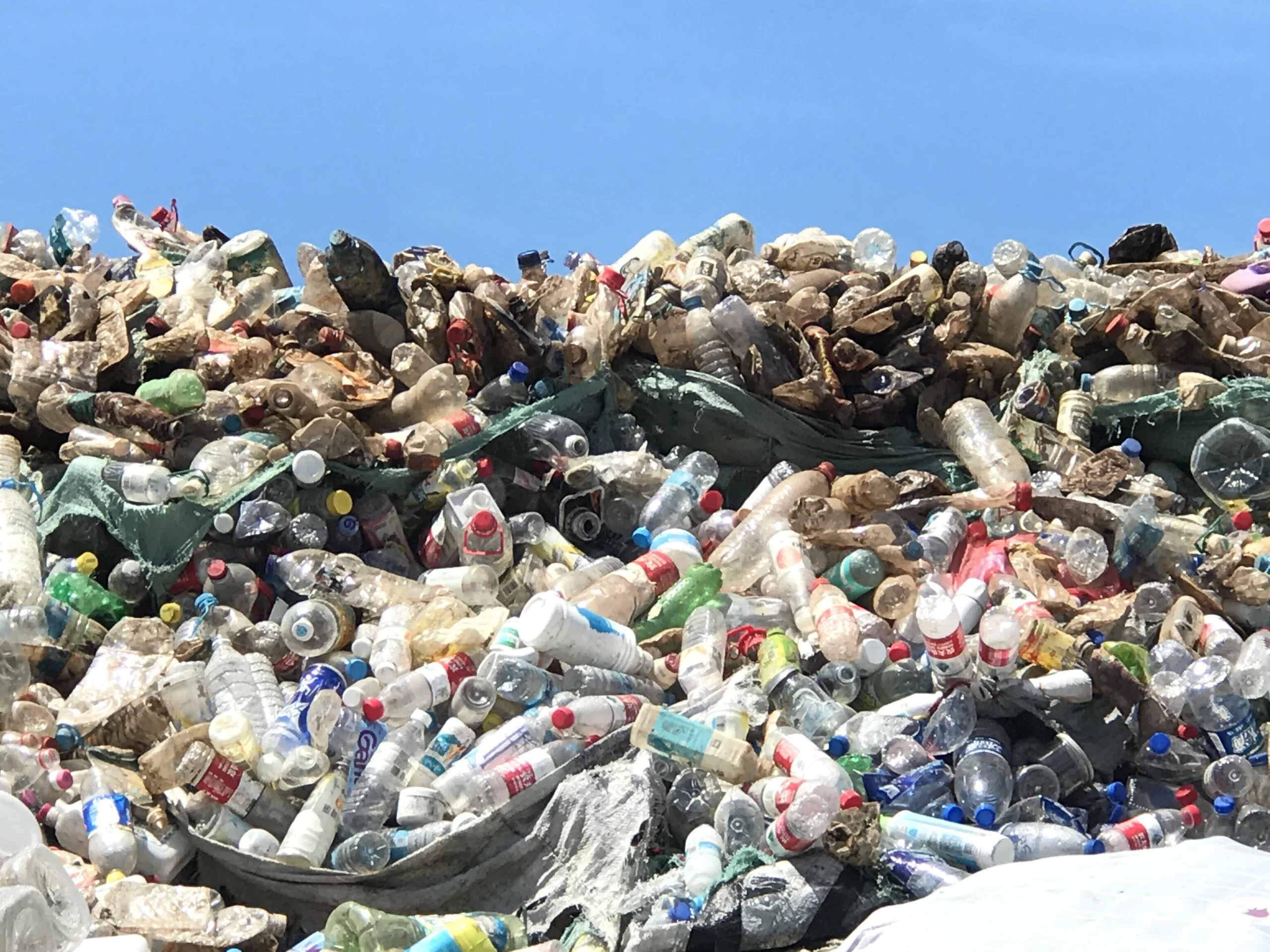
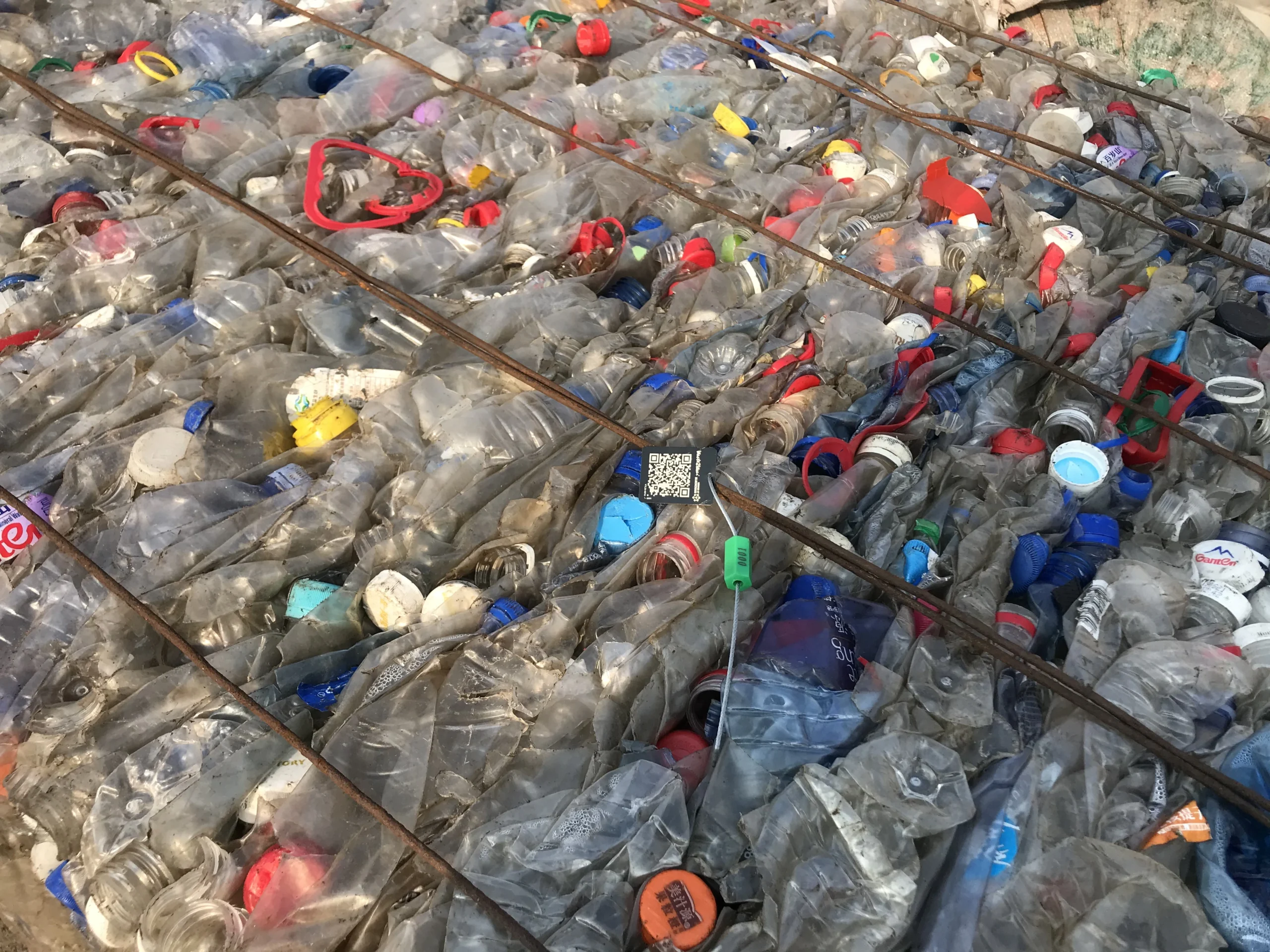
We combine physical controls with digital tracking to follow recycled materials from their origin as plastic waste through to the finished product. Every stage is recorded and the complete record is available to your team at any point.
Smart Seals: Securing every step
Smart Seals are uniquely identified physical seals applied to materials at each stage of production and transport. At every step, suppliers scan the seal to confirm receipt, processing and transfer of materials, creating a secure and unbroken record of material flow from one stage to the next.
From Waste to Product
Our traceability system follows the full journey of recycled materials, from plastic waste to finished textile products. Each transformation step is documented, ensuring that the origin and integrity of the materials are maintained throughout the process.
Before final delivery, Waste2Wear reviews and validates the complete production chain, confirming that all requirements have been met.
What you can actually see
Every product we make carries a record of where its material came from and how it was processed, held on blockchain so it cannot be altered after the fact. For a brand, that means four things are available on demand rather than on trust.
Origin and journey of recycled materials
Every batch traces back to the collection point where the post-consumer plastic was gathered, and forward through sorting, processing, and spinning into yarn. You can follow the material that went into your specific order rather than relying on a general claim about recycled content.
Overview of the supply chain
The full chain is visible in one place, so you can see how your order moved from raw material through to finished product without assembling it from separate documents held by different parties. That matters most when someone downstream asks you to account for it.
Supplier participation and certifications
Each party involved in your order is recorded alongside the certifications that apply, including our GRS certification at company level and our factories' BSCI, GOTS, and RDS accreditation. Your compliance team sees named participants and current certification rather than a general assurance that standards were met.
Documented production steps
Production is recorded as it happens, from the point material arrives at the factory to the point the finished product leaves it. When an auditor asks how something was made, the answer is a contemporaneous record rather than an account reconstructed afterwards.
Used by the world's leading companies
"Nearly 50% of all sustainability claims are fake, and the blockchain is the best way to combat that. By embracing the blockchain for all our activities, including cool merchandise like hoodies, we're proving we have nothing to hide."
Guido van Staveren van Dijk, Director, Moyee Coffee
Frequently asked questions
How does Waste2Wear's supply chain traceability work?
We combine physical controls with digital tracking across the supply chain, so material movement is checked and recorded at each stage rather than only at the start and end. A dedicated supply chain is set up per order, and the record it produces is what sits behind the QR code on the finished product.
What is recorded on the blockchain?
We record the key checkpoints in a product's journey on the blockchain, from material sourcing through processing and manufacturing to the finished product. Because that record sits on the blockchain rather than in an internal database, it cannot be edited or backdated once it has been written.
What are Smart Seals?
Smart Seals are the physical controls we apply at each stage of the supply chain, working alongside the digital record to confirm that what moved through a checkpoint actually matches what was logged. They are one part of the combined physical-and-digital approach that makes the traceability record trustworthy rather than a self-reported claim.
Is the traceability record something I can show auditors and regulators?
Yes, that is one of the main reasons we built it this way. Because the record is tamper-proof and tied to the specific order, you can share it directly with auditors, regulators or customers as evidence rather than having to summarise or vouch for it yourself.
How does the QR code connect to the blockchain record?
Every finished product carries a QR code that links directly to its blockchain record, so anyone scanning it sees the same supply chain story we and your customers see. There is no separate lookup or manual step involved, the code simply opens the record for that specific product.
Is a new supply chain mapped for each order?
Yes, we set up a dedicated supply chain for each order rather than relying on one generic record for a product line. That means the traceability data reflects the actual suppliers, batches and processing steps used for your order specifically.
How are suppliers verified?
Suppliers in our network are pre-approved before they enter an order's supply chain and are then verified on an ongoing basis, not just at onboarding. This keeps the traceability record meaningful over time, rather than accurate only at the point a supplier was first checked.
How does blockchain traceability support DPP compliance?
The kind of structured, product-level record we keep on the blockchain overlaps closely with the data a Digital Product Passport will need to carry, particularly around material origin and processing history. Because we already build this record for every order, DPP requirements add less new work on our side than they might for a supplier starting from scratch.
Can the record be altered after the fact?
No. Once a checkpoint is written to the blockchain it cannot be changed or removed, which is what makes the record tamper-proof. That permanence is deliberate, because a traceability record that could be edited after the fact would not be worth much to an auditor or a customer.