Sustainable workwear and uniform manufacturer
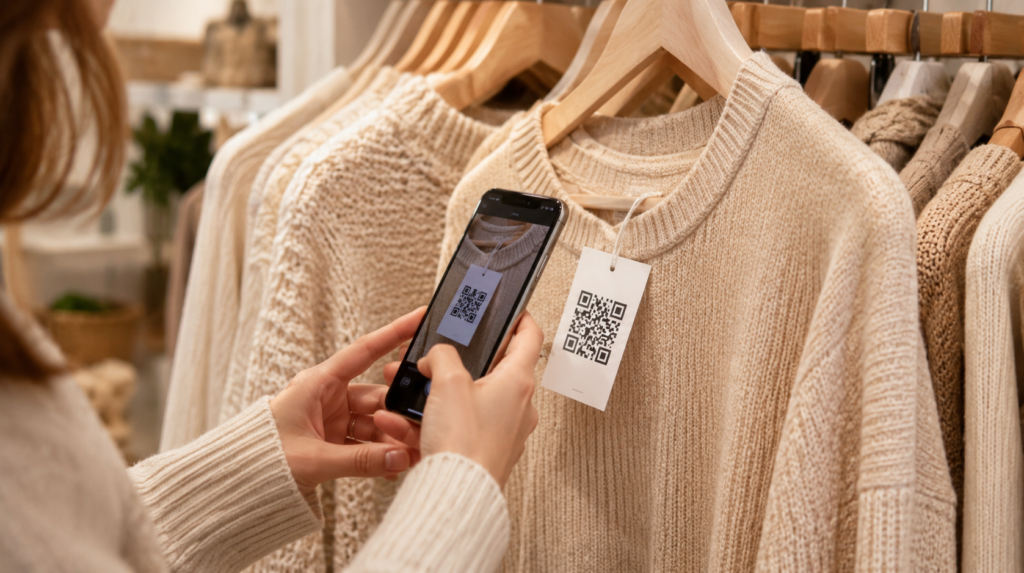
We design and manufacture custom uniforms and workwear from recycled polyester for hotels, restaurants, retailers, manufacturers and healthcare brands. Every garment carries its own QR code, linked to its Environmental Impact Report and blockchain record, so the recycled content on your label can be checked rather than taken on trust.
Custom uniforms and workwear, made to your specification
We make the fabric and the finished garments, so one team handles your programme from yarn to delivery. Our range covers polo shirts, shirts and T-shirts, trousers and skirts, jackets, fleece and softshell layers, overalls and coveralls, aprons and chef wear, scrubs and healthcare uniforms, and high-visibility workwear made to EN ISO 20471. Every style can be made in men’s and women’s fits, and we work from your designs and tech packs or support you in developing a range.
Uniforms for every sector
From kitchen whites to hi-vis, made in recycled polyester and colour-matched to your brand.

Hospitality, hotels and restaurants
Front-of-house, housekeeping and kitchen teams need uniforms that look sharp at the start of a shift and still hold up at the end of it. We make shirts, polos, aprons and chef wear with stain-resistant and anti-wrinkle finishes, colour-matched to your brand.
Retail, supermarkets and cinemas
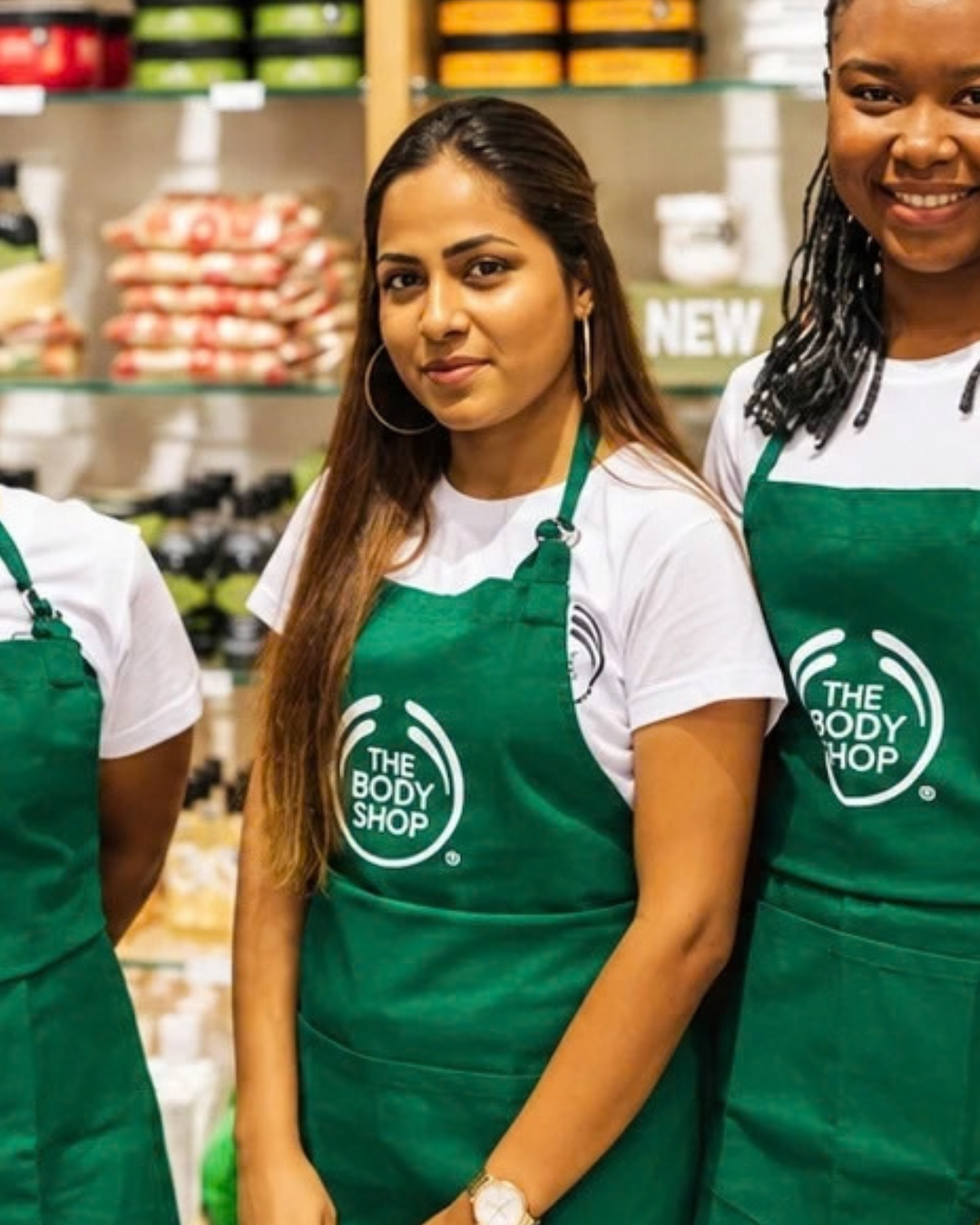
Store teams wear their uniforms all day, every day, so comfort and durability matter as much as appearance. We make polos, shirts, fleeces and aprons for supermarket, retail and cinema teams.
Factories and industrial sites
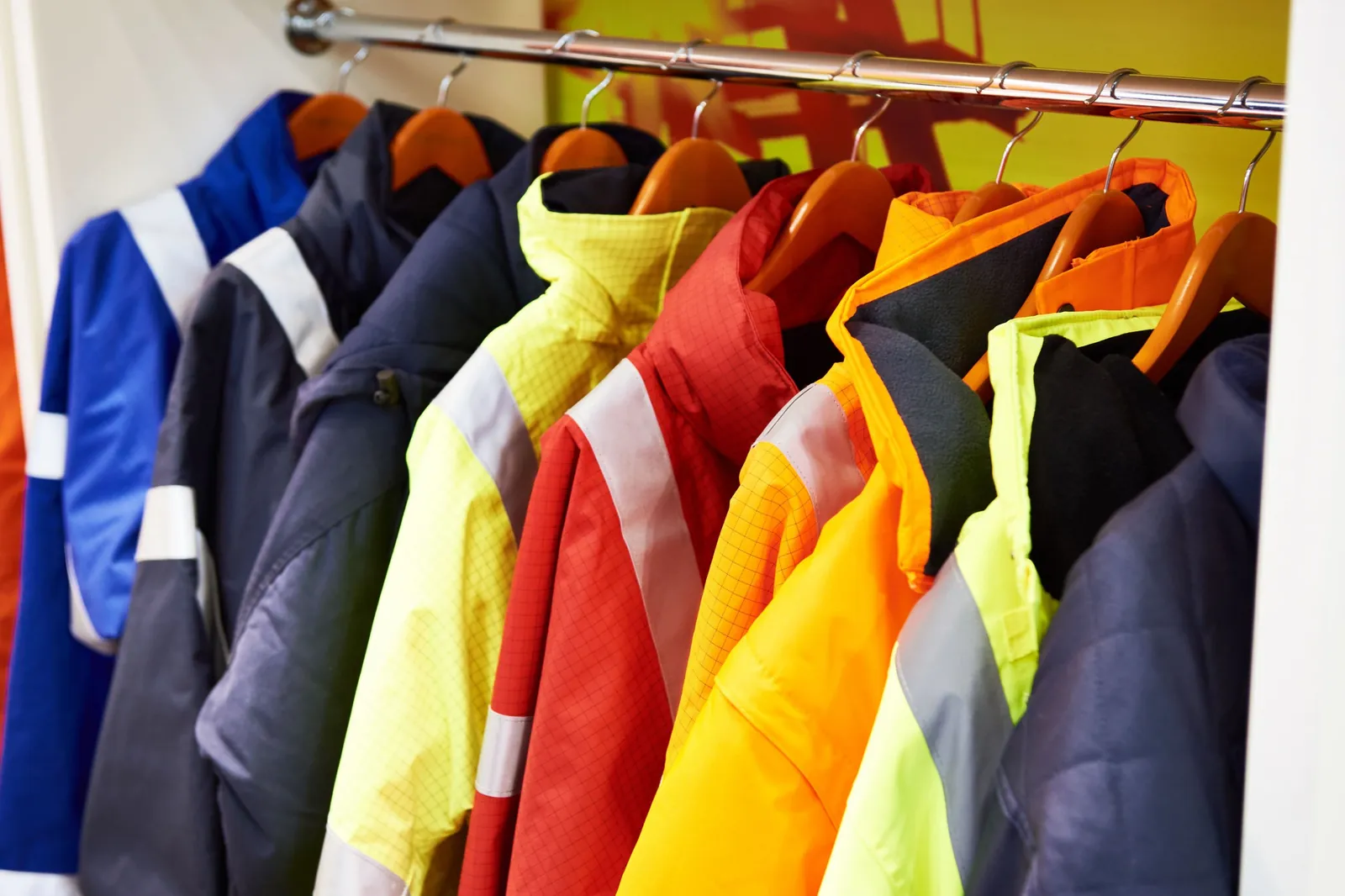
For production and warehouse teams, we make overalls, work trousers and jackets in hard-wearing recycled blends, and high-visibility workwear made to EN ISO 20471.
Healthcare
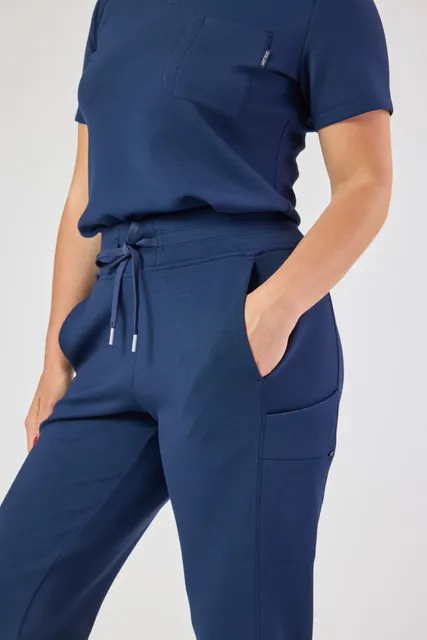
We make scrubs and healthcare uniforms in recycled fabrics, with antimicrobial finishes and stretch for long shifts.
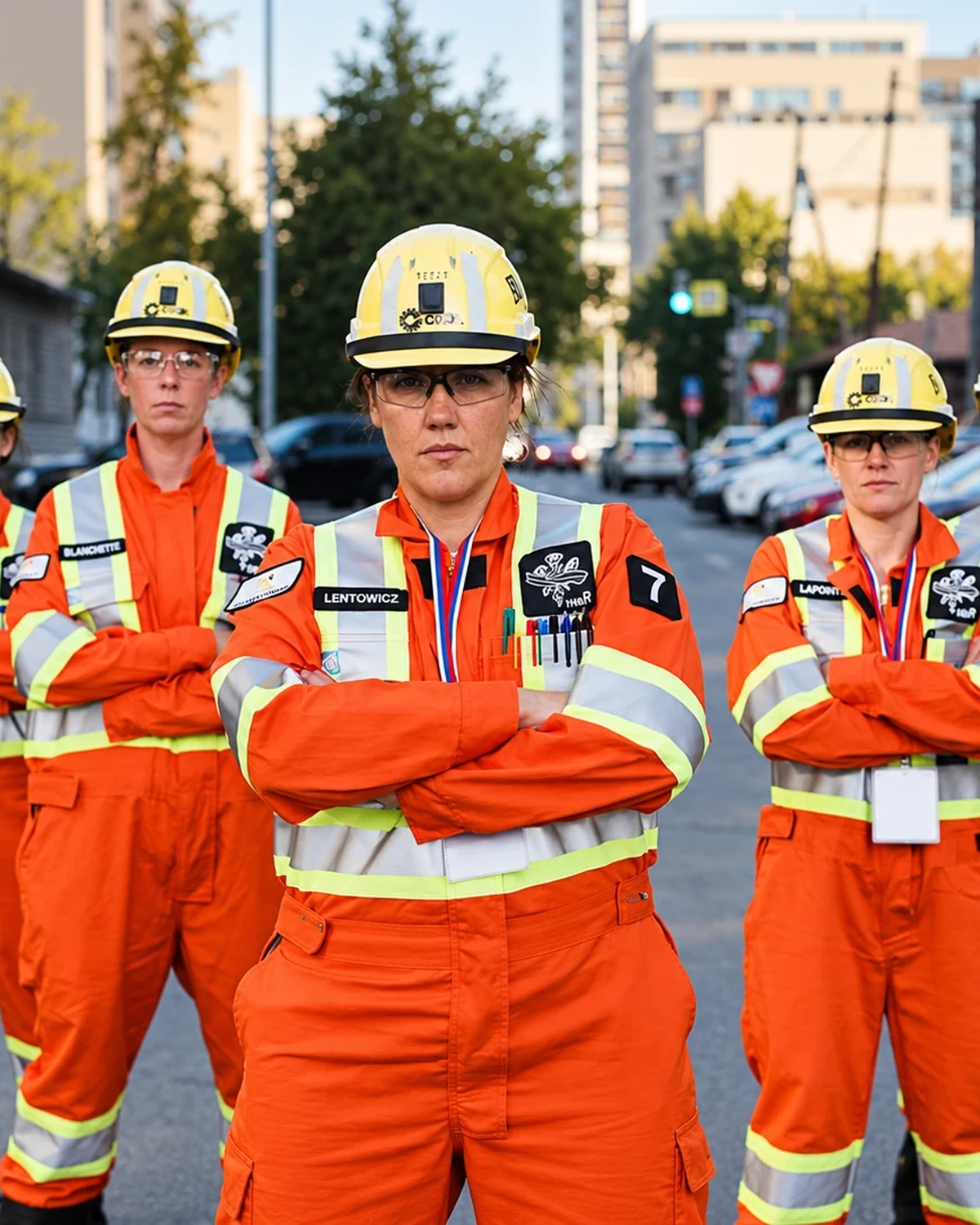
Workwear designed for women
Through our work with Covergalls, a workwear brand built for women in the trades, we have built specific experience in making workwear that fits women properly rather than scaling down men’s patterns.
Used by the world's leading companies
Global brands across fashion, retail, hospitality and food use our recycled products, with full traceability on every order.







The same fabric,
a fraction of the footprint
70%
Less energy used / rPET vs virgin polyester
86%
Less water used / rPET vs virgin polyester
75%
Less CO₂ emitted / rPET vs virgin polyester
Recycled fabrics built for daily wear
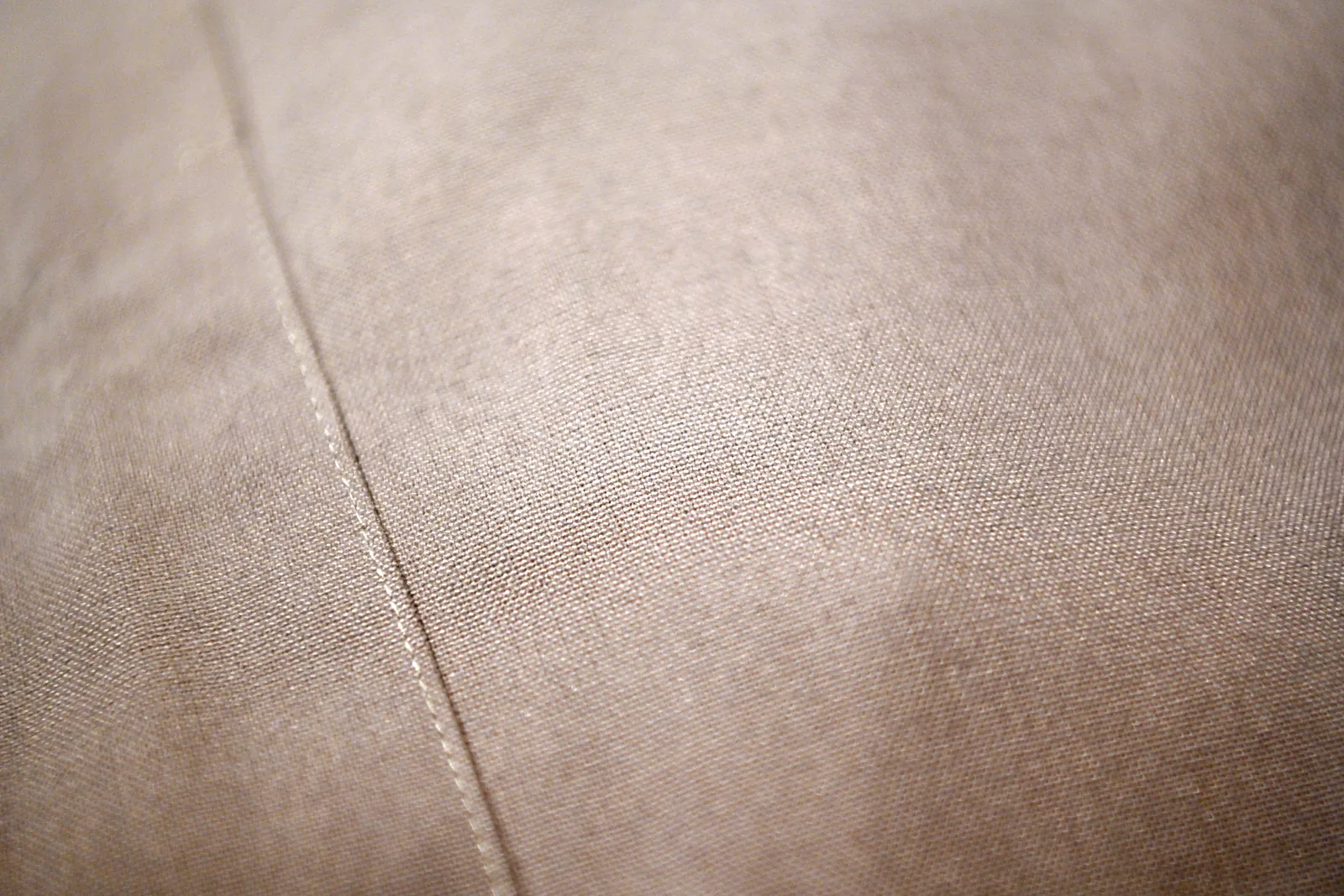
Our uniform fabrics can be 100% recycled polyester from post-consumer plastic bottles, or blended with organic or BCI cotton, viscose, modal or wool, with elastane added where your team needs stretch. The recycled content can be set anywhere from 100% down to whatever your specification calls for.
Compared with virgin polyester, the recycled polyester in your uniforms uses 70% less energy and 86% less water, and produces 75% less CO₂. In a blended fabric, these savings apply to the recycled polyester share of the fabric.
Finishes
We can add stain-resistant, moisture-wicking, anti-wrinkle and antimicrobial finishes, and build stretch into the fabric itself. Flame-retardant fabrics are also possible, either with a topical treatment or, for very large orders, with inherently flame-retardant fibres. We confirm the standard your programme needs before development starts.
Durability
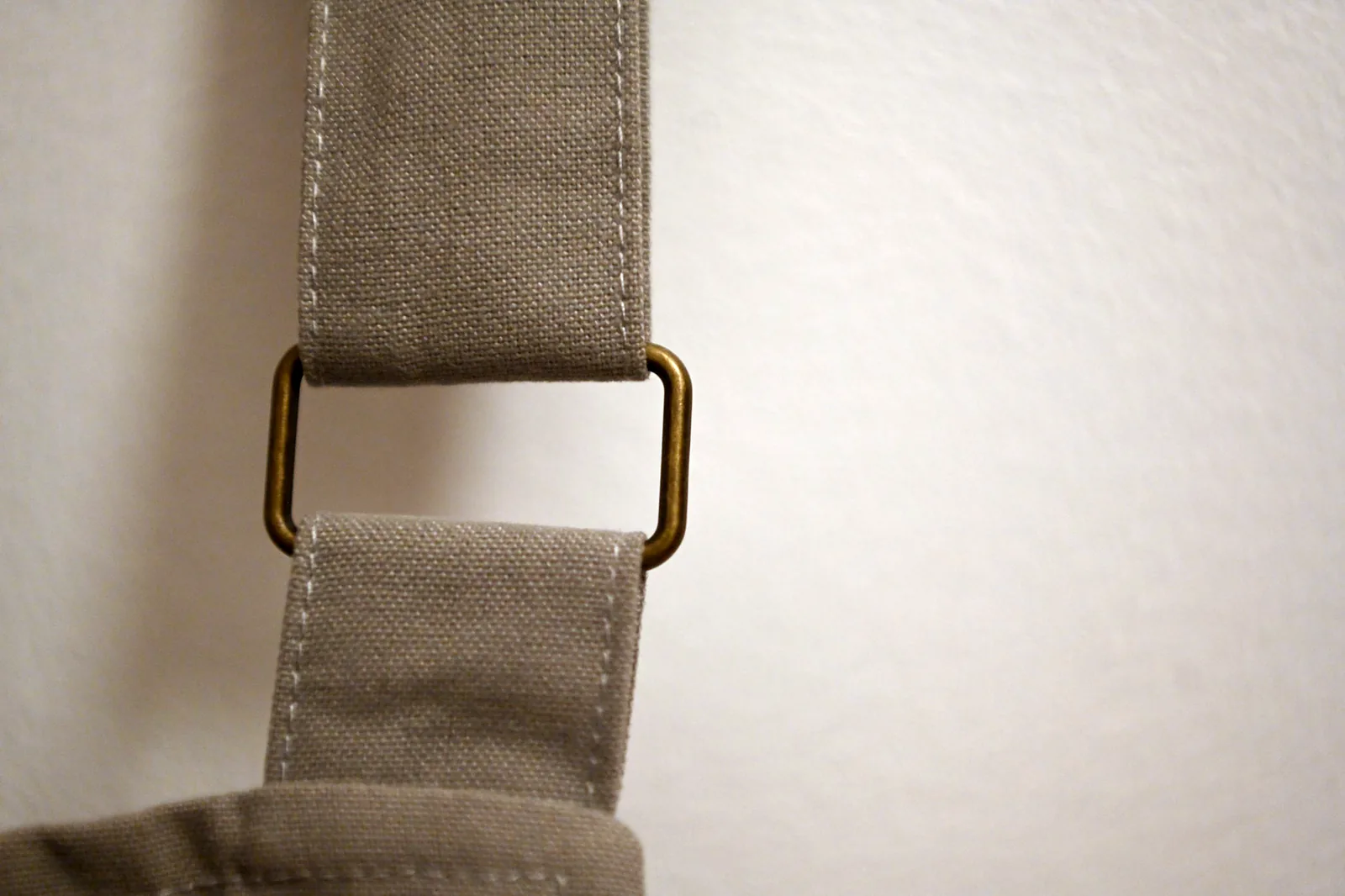
Our uniform fabrics are made to handle at least 25 home washes. If your uniforms go through industrial laundering, or you need a higher wash count, we assess and specify the fabric for your programme before production.
Colour
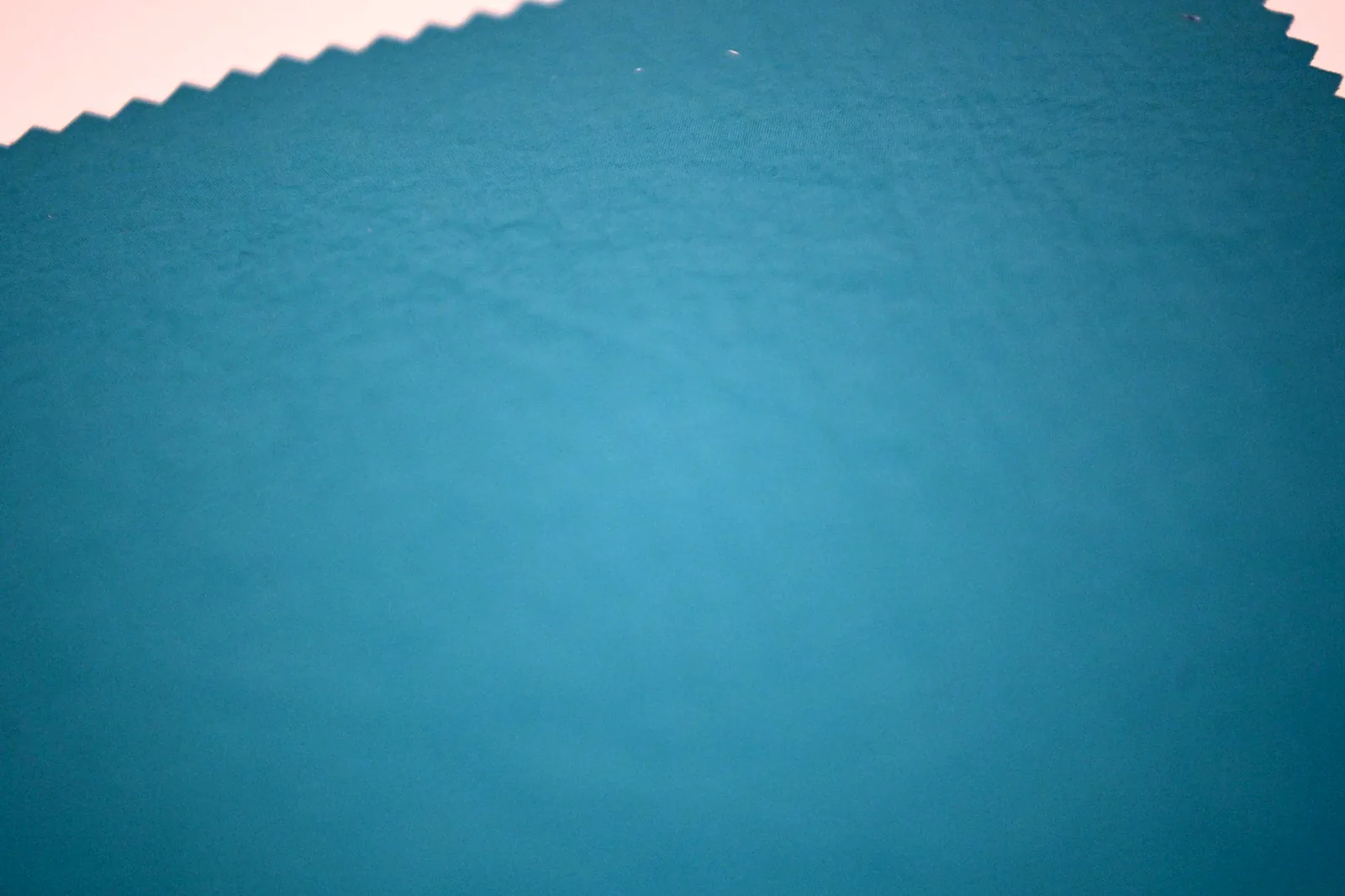
We can match any Pantone colour. The usual minimum for a custom colour is 1,000 metres, and smaller runs are possible with a small dyeing surcharge. The one limit is optical white, which is not possible in recycled polyester blends with cotton or viscose.
Branding and decoration
Your uniforms can be decorated in the same ways as conventional workwear, including embroidery, screen printing, sublimation, heat transfer, flocking, patches and badges, woven labels, piping and lace trims.
Every garment can carry a recycled-content label with a QR code your team and customers can scan. That QR code can link to the garment’s Environmental Impact Report and blockchain record, or anywhere else you choose, such as your own landing page or an in-house membership programme.
Our marketing team can help you word the recycled claim on your labels, or we can work from your own artwork.
Recycled content you can verify
Waste2Wear is certified to the Global Recycled Standard (GRS). Our factories hold BSCI, GOTS and RDS certification, with OEKO-TEX and WRAP certification at selected factories.
Each garment’s QR code links to its Environmental Impact Report and blockchain record. Our patent-pending RA3 test checks the recycled polyester content of the fabric at several stages of production, so the figure on your label is backed by testing.
Every recycled uniform order includes
- GRS or GOTS certification
- An Environmental Impact Report
- BSCI documentation
- The blockchain record for your order
How a uniform programme works with us
1. Brief
You tell us the garments, quantities, colours and branding you need.
2. Fabric and design development
We match fabric, blend and finishes to how your team works.
3. Prototype and pre-production sample
You approve a prototype and a pre-production sample before anything goes into production. This usually takes two to four weeks, depending on whether the fabric needs to be developed or dyed to your colour.
4. Production
Production generally takes 45 to 60 days after sample approval, depending on the garment and quantity.
5. Delivery
We ship FOB by preference, and can also arrange DDP, LDP or CIF.
6. Reorders
If your programme includes reorders for new starters, we plan them into the contract so the fabric and stock are ready when you need them.
Our standard pricing is based on around 2,000 to 3,000 pieces per item, and larger programmes move to a different price level. We produce in China and India, and container-load orders can also be produced in Togo.
The evidence behind every claim
New EU rules like PPWR and EmpCo mean recycled content claims now need proof. Our Proof Hub explains what buyers need to show, and how the documentation that comes with every order covers it.
Frequently asked questions
What makes a uniform sustainable?
A sustainable uniform is made from lower-impact materials, produced in audited factories, and built to last. Ours are made from recycled polyester from post-consumer plastic bottles, in GRS-certified production, and each garment carries a QR code that links to the record of how it was made.
Are recycled polyester uniforms as durable as conventional uniforms?
Yes. Recycled polyester performs like virgin polyester, and our uniform fabrics are made to handle at least 25 home washes. For industrial laundering or higher wash counts, we assess and specify the fabric for your programme before production.
Can recycled uniforms carry our logo and branding?
Yes. Recycled fabrics take embroidery, screen printing, sublimation, heat transfer, patches and woven labels in the same way as conventional workwear, and we can match your brand colours to any Pantone reference.
Do sustainable uniforms cost more?
Recycled polyester can cost a little more per metre than virgin polyester, but the price of a uniform depends far more on the fabric, construction, decoration and order size. Our pricing changes significantly at larger volumes, so we quote each programme individually.
How can we verify the recycled content in our uniforms?
Every garment carries its own QR code linked to its Environmental Impact Report and blockchain record. Our patent-pending RA3 test checks the recycled polyester content of the fabric during production, and every order comes with GRS or GOTS certification.
What certifications do you hold?
Waste2Wear is certified to the Global Recycled Standard (GRS). Our factories hold BSCI, GOTS and RDS certification, with OEKO-TEX and WRAP certification at selected factories.
Do recycled polyester uniforms shed microfibres?
Like all polyester, recycled polyester can shed microfibres when it is washed, and recycling the material does not change that. Fabric construction and finishing affect how much a fabric sheds, and we can talk you through the options for your programme.
What is your minimum order and lead time?
Our standard pricing is based on around 2,000 to 3,000 pieces per item. Sampling usually takes two to four weeks, and production generally takes 45 to 60 days after sample approval.
News and insights
Updates on EU regulation, recycled materials and the work we do with brands.
Sustainability Insights
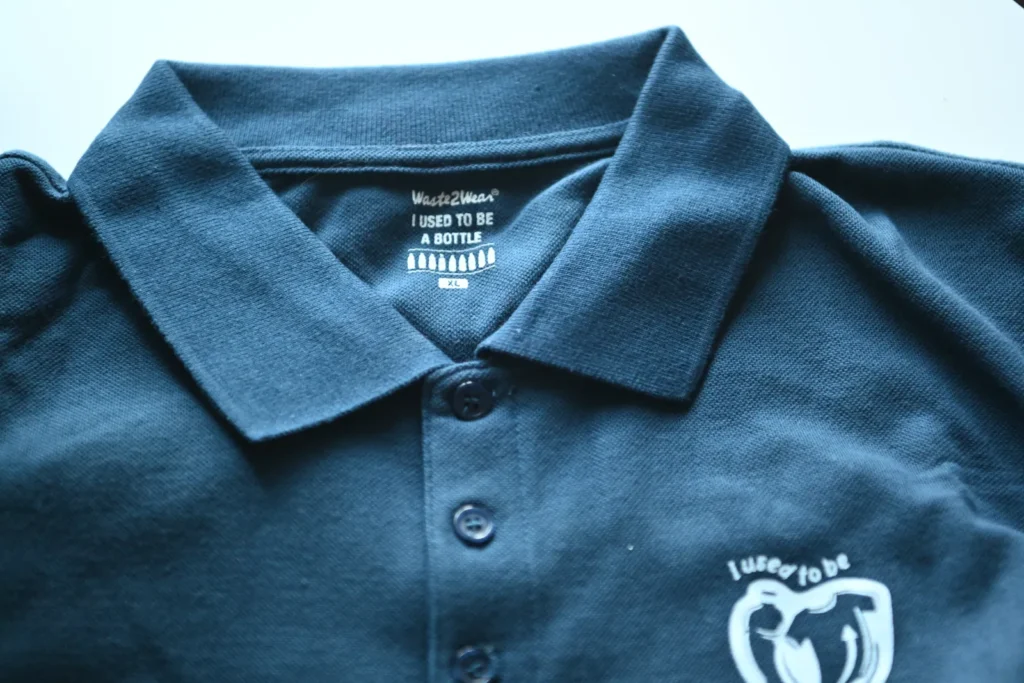
Clothing made from recycled plastic bottles
Sustainability Insights
What Is rPET Fabric? How It's Made, How It Performs and How to Verify It

Regulations & Compliance
EmpCo now applies across the EU: what it means for the recycled products already in your warehouse
Regulations & Compliance
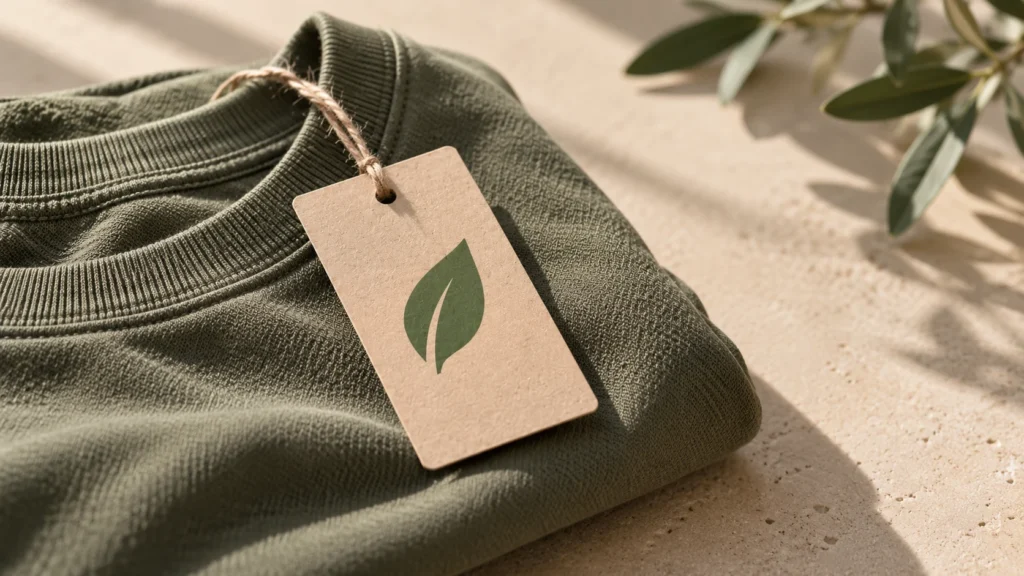
A green leaf can now be an environmental claim
Regulations & Compliance
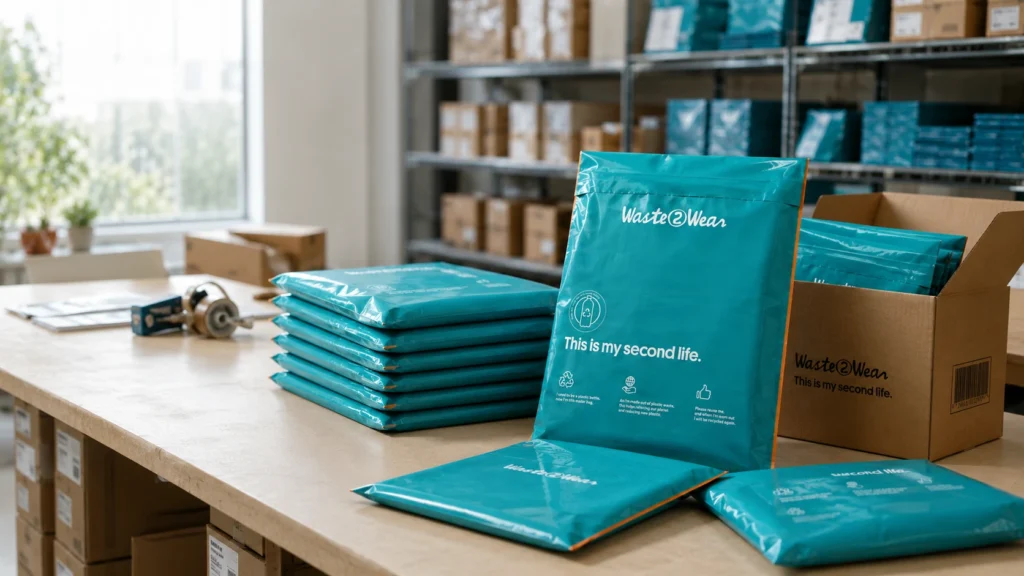
PPWR Is Now in Force: What Applies From Today, and What Waits Until 2030
News
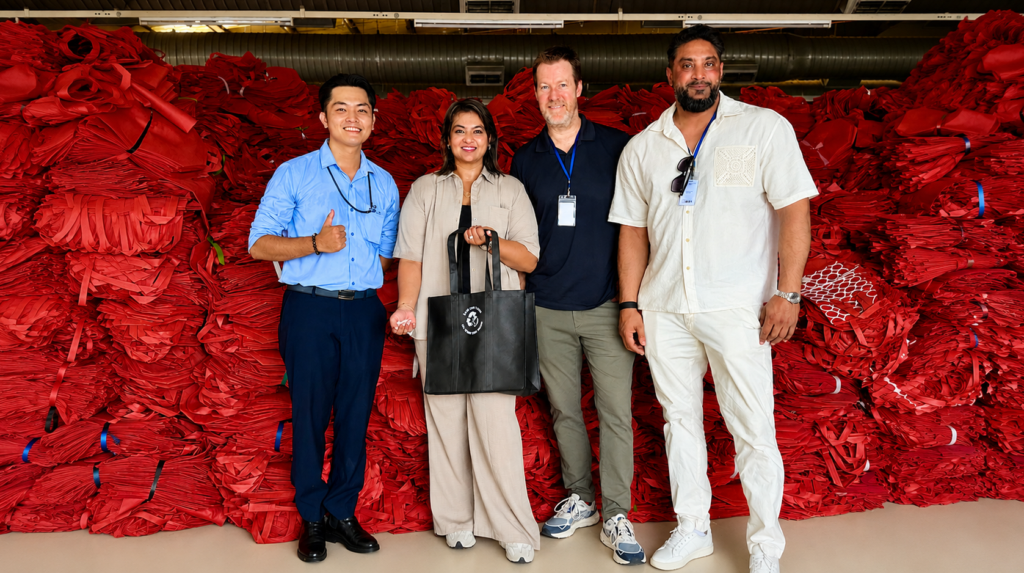
Yesterday's Food Container, Tomorrow's Shopping Bag: Waste2Wear and Kwality Holdings Launch in Southern Africa

Sustainability Insights
How recycled content actually gets verified
Regulations & Compliance
PPWR recycled-content thresholds, in practice
Regulations & Compliance
PPWR supplier questionnaires are arriving. Here's what brands should ask recycled packaging suppliers
Sustainability Insights