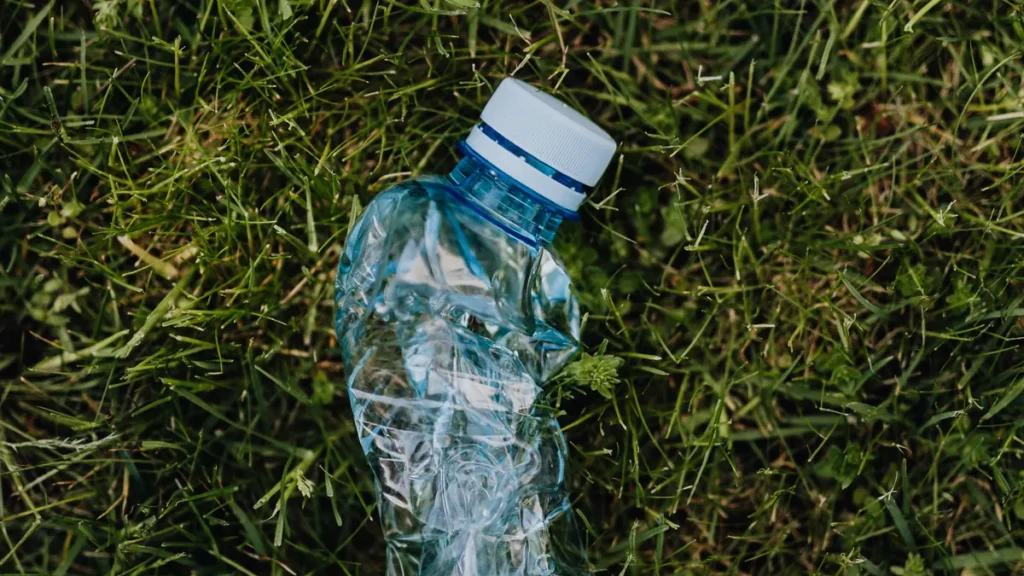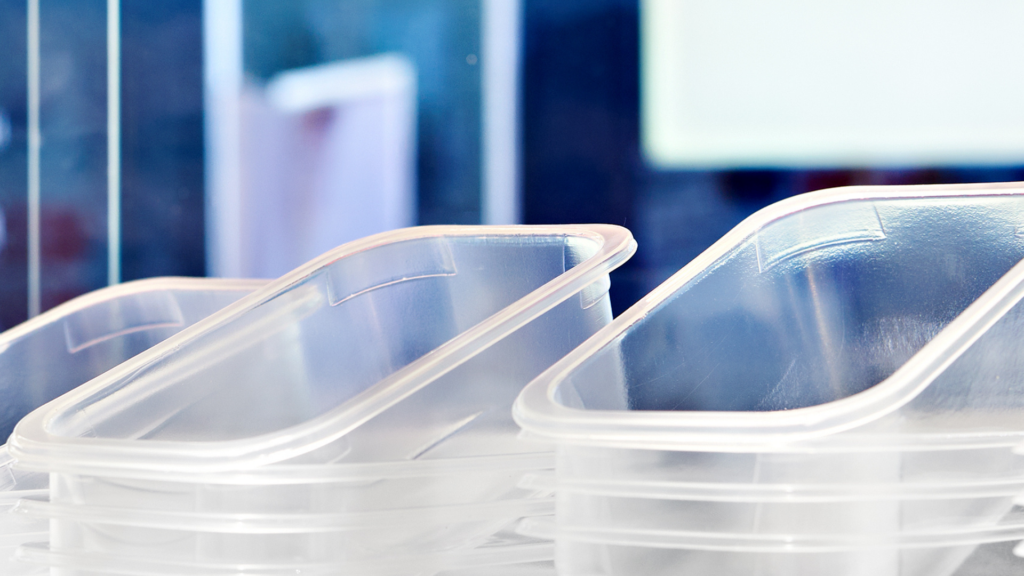
A plastic bottle and a polyester shirt are made from the same material. Both are PET, so a used bottle can be melted down, spun into yarn and made into a new garment without ever turning back into oil. That is why so much recycled clothing on the market starts life as a drinks bottle.
We have made fabric and finished products from post-consumer plastic bottles since 2010. This guide covers how a bottle becomes clothing, which garments can be made this way, how many bottles go into one, and how to check that a garment really contains what its label claims.
How a plastic bottle becomes a garment
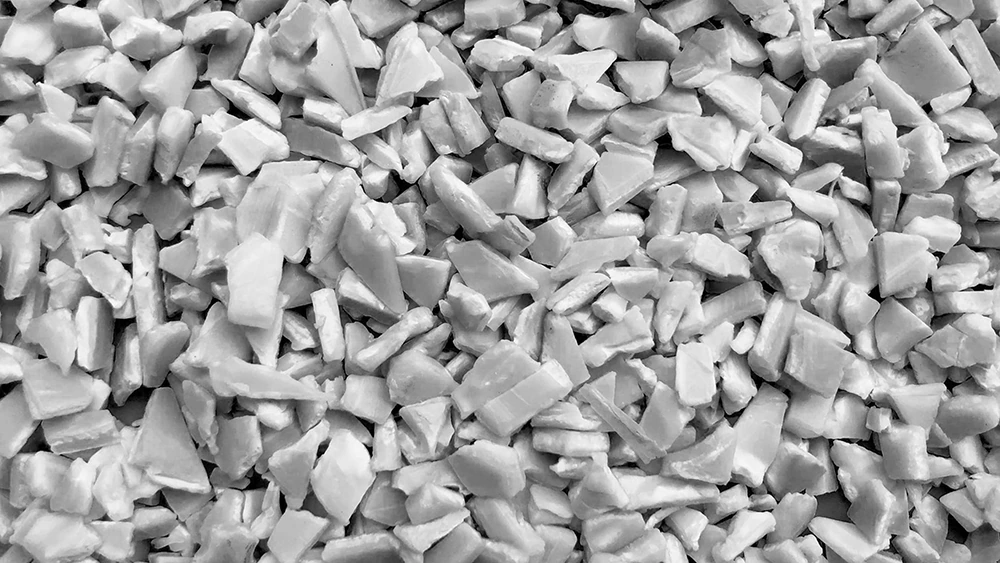
Used bottles are collected, sorted and stripped of their caps and labels. They are then washed and shredded into small flakes, which are melted and formed into pellets. Those pellets are melted again and pushed through fine holes to make polyester filament, which is spun into yarn and knitted or woven into fabric. From there, the fabric is dyed, finished, cut and sewn like any other polyester garment.
The result is recycled polyester, usually called rPET. It performs like virgin polyester because it is the same polymer, and the difference lies in where the raw material came from. We explain each step, and where quality is won or lost, in our guide to what rPET fabric is.
Plastic bottles will keep being made and thrown away whether or not anyone turns them into clothing. Using them as the raw material for polyester keeps them out of landfill and means less virgin polyester has to be made from fossil fuels.
What clothing can be made from recycled plastic bottles
Almost anything that is normally made from polyester can be made from recycled bottles instead. The fabric can be 100% rPET or blended with other fibres such as cotton, wool, viscose or elastane, which changes how it feels and performs. These are the garments we make most often.
Shirts and t-shirts
A t-shirt in 100% rPET jersey feels smooth and slightly technical, dries quickly and keeps its shape after washing. Blending recycled polyester with cotton gives a softer, more familiar handle, which many fashion brands prefer for everyday tees. Woven shirts can be made from recycled polyester too, often blended for a cooler, more natural feel.
See our recycled fashion apparel manufacturing.
Polo shirts and uniforms
Uniforms are one of the most practical uses for recycled bottles, because polyester already dominates workwear for its durability and easy care. We make polo shirts, shirts, fleeces, aprons and jackets for hospitality, retail and industrial teams, with stain-resistant, anti-wrinkle and moisture-wicking finishes where the job needs them.
Talk to us about recycled uniforms and workwear.
Hoodies and fleece
Fleece is one of the most common garments made from recycled bottles, because the brushed polyester that gives fleece its warmth is exactly what rPET produces well. Hoodies and sweatshirts are usually made in a recycled polyester and cotton blend, which keeps the soft brushed inside while improving durability.
Activewear and sportswear
Polyester is the standard fibre for sportswear because it wicks moisture and dries fast, so recycled polyester fits naturally. Training tops, running gear, team jerseys and leggings can all be made from rPET, with elastane added for stretch and mesh constructions for ventilation.
See our recycled sportswear and performance textiles.
Jackets and outerwear
In a jacket, recycled bottles can end up in several places at once. The outer shell can be a woven rPET fabric, the lining can be recycled polyester, and the padding inside can be recycled polyester fill. Water-repellent finishes can be added to the shell for outdoor and workwear jackets.
Linings, bags and accessories
Recycled bottles are not only used for the garment you see. Linings in bags, wallets and jackets are often recycled polyester, as are backpacks, pouches, caps and laptop sleeves.
See our recycled backpacks and carry solutions, or recycled fabrics by the metre if you are making the product yourself.
How many plastic bottles does it take to make a shirt?
There is no single number for every shirt. It depends on how much the finished garment weighs and how much of its fabric is recycled polyester.
You can work it out roughly yourself. Take the weight of the garment, multiply it by the share of recycled polyester in the fabric, and divide by the weight of one bottle. A 180 g t-shirt in 100% rPET, made from bottles weighing about 15 g each, comes to roughly 12 bottles. A heavier fleece or hoodie uses considerably more, a larger size uses more than a smaller one, and a blended fabric uses fewer, because only the polyester part comes from bottles.
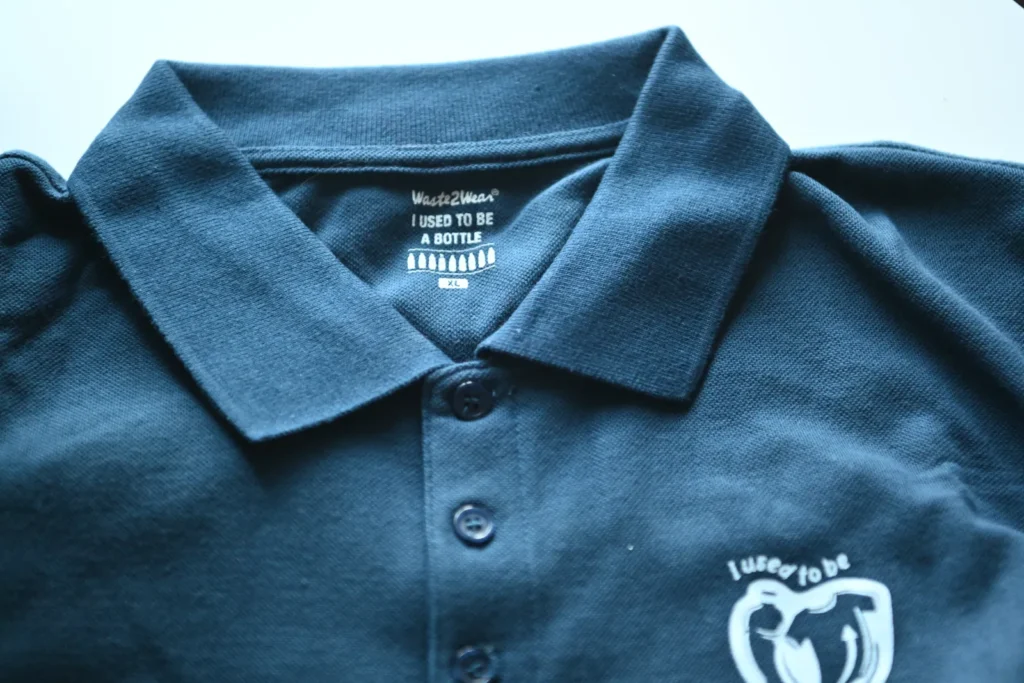
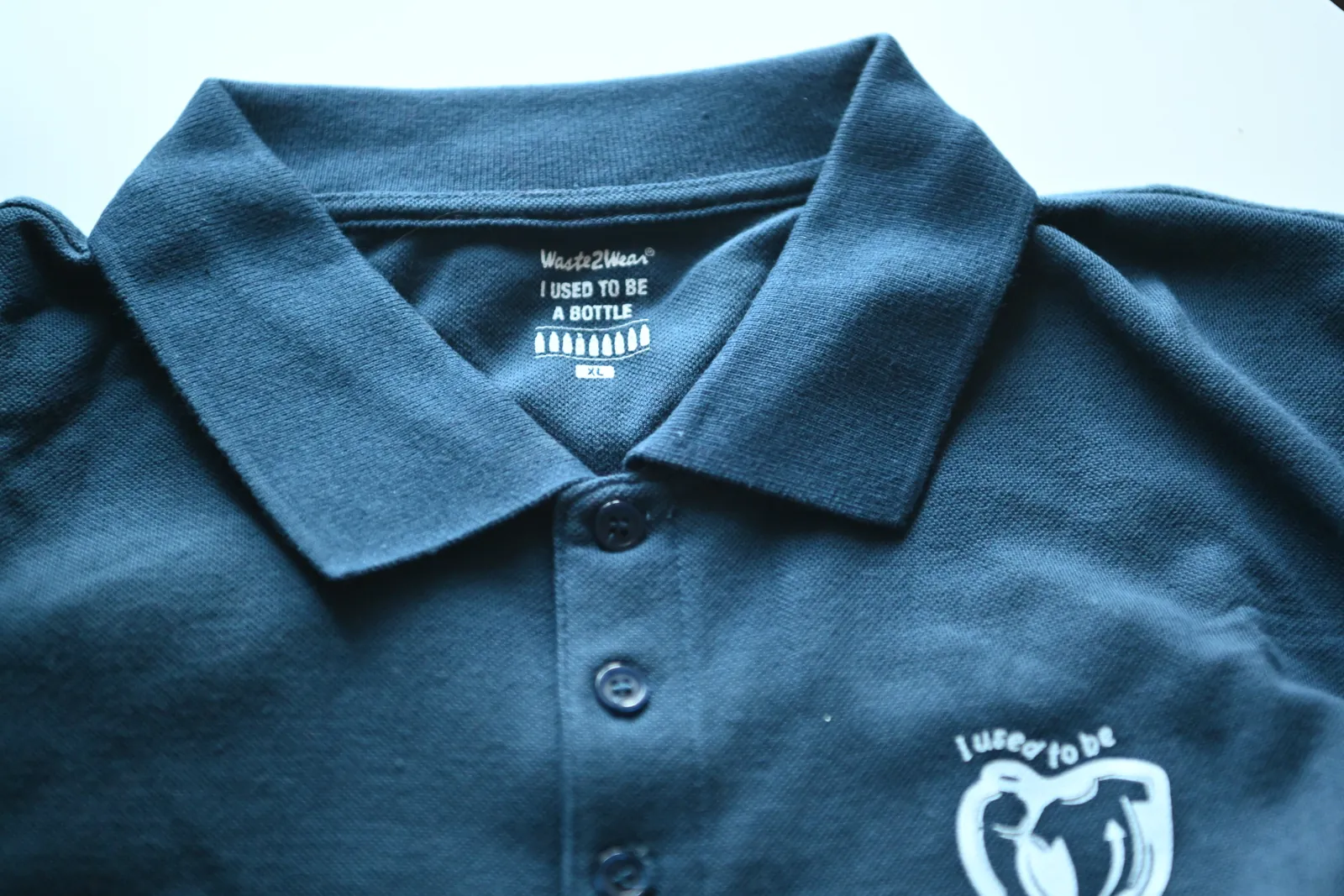
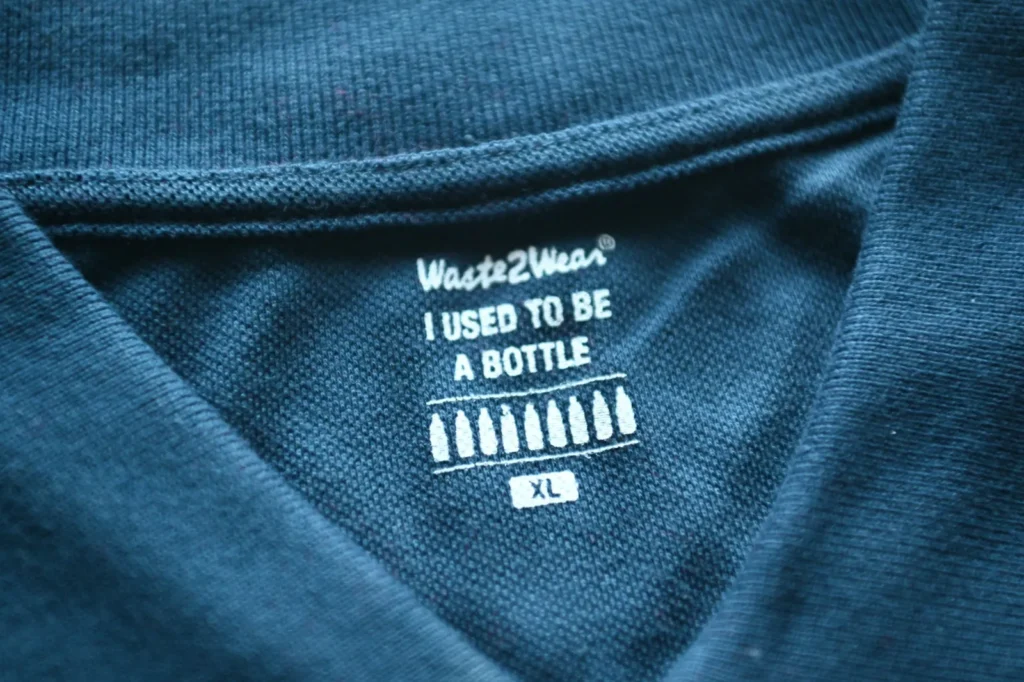
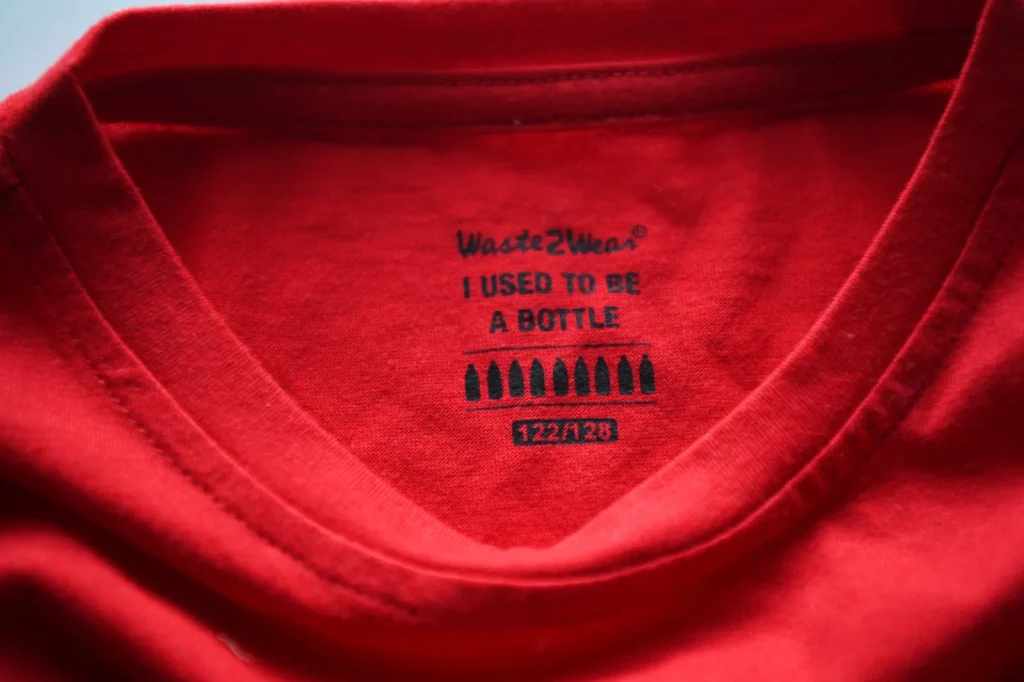
Many of our garments carry an "I used to be a bottle" label inside the collar. The bottles printed on it are a design that shows where the fabric came from, not a count of the bottles used in that particular garment.

Does clothing made from plastic bottles feel different?
Most people notice no difference. Recycled polyester is the same polymer as virgin polyester, so a well-made rPET garment feels and performs the same as its conventional equivalent. What you notice is the fabric construction and the blend, not where the polyester came from. A 100% rPET jersey feels like any polyester sports top, while an rPET and cotton blend feels much closer to a regular cotton tee.
Recycled polyester takes dye, prints and embroidery the same way virgin polyester does, so colour and branding are not limited by the recycled content.
Is clothing made from recycled plastic safe to wear?
Yes. The bottles are cleaned and melted at high temperature before they become yarn, and the finished fabric is chemically the same polyester used in everyday clothing. Where a product needs it, fabrics can be made in factories certified to standards such as OEKO-TEX, which tests textiles for harmful substances.
Does recycled polyester shed microfibres?
Like all polyester, recycled polyester can shed microfibres when it is washed, and recycling the material does not change that. Fabric construction and finishing affect how much a fabric sheds. Washing at lower temperatures, using full loads and washing less often all reduce shedding at home.
What "ocean plastic" clothing usually means
Most clothing sold as "ocean plastic" is not made from plastic fished out of the sea. Plastic that has spent time in seawater is broken down by sun and salt, mixed with other materials and hard to recycle into a yarn good enough for clothing. What these labels usually describe is ocean-bound plastic, meaning bottles collected on coastlines and in areas with poor waste collection before they reach the water.
Collecting that plastic is worthwhile, but it is a different claim from "made from the ocean". Since 27 September 2026, the EU's EmpCo rules require environmental claims made to consumers to be specific and backed by evidence, so a vague ocean claim on a label is a risk for the brand making it. We describe our material for what it is: polyester made from post-consumer plastic bottles. You can read more in our guide to green claims for recycled textiles under EmpCo.
How to tell if clothing is really made from recycled bottles
You cannot tell by looking at it or touching it, because recycled and virgin polyester are chemically almost identical. That makes recycled claims easy to make and hard to check, so the evidence behind the label matters more than the label itself.
There are three kinds of evidence worth asking for:
- A recycled content certificate, such as the Global Recycled Standard (GRS). It shows that the supplier is certified to process and trade recycled material.
- A test of the material itself. Our patent-pending RA3 test measures the exact percentage of recycled polyester in a fabric, yarn or finished garment. Brands can send their own samples for rPET testing, including products we did not make.
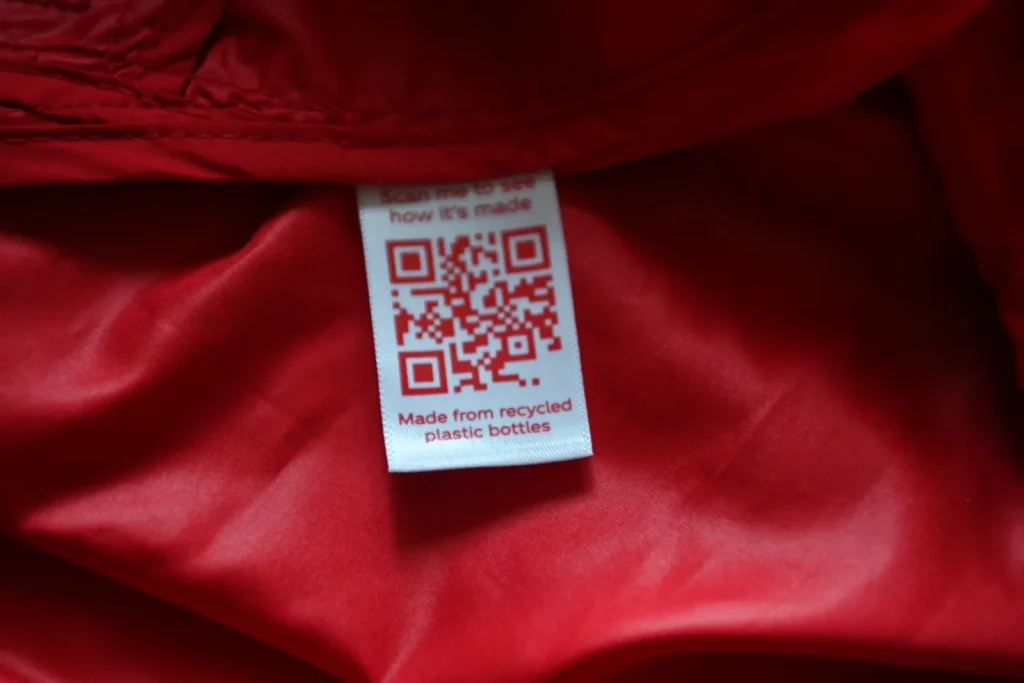
- A record for the individual product. Every product we make carries a QR code that links to its Environmental Impact Report and blockchain record, so anyone holding the garment can see how it was made.
Making your own clothing range from recycled bottles
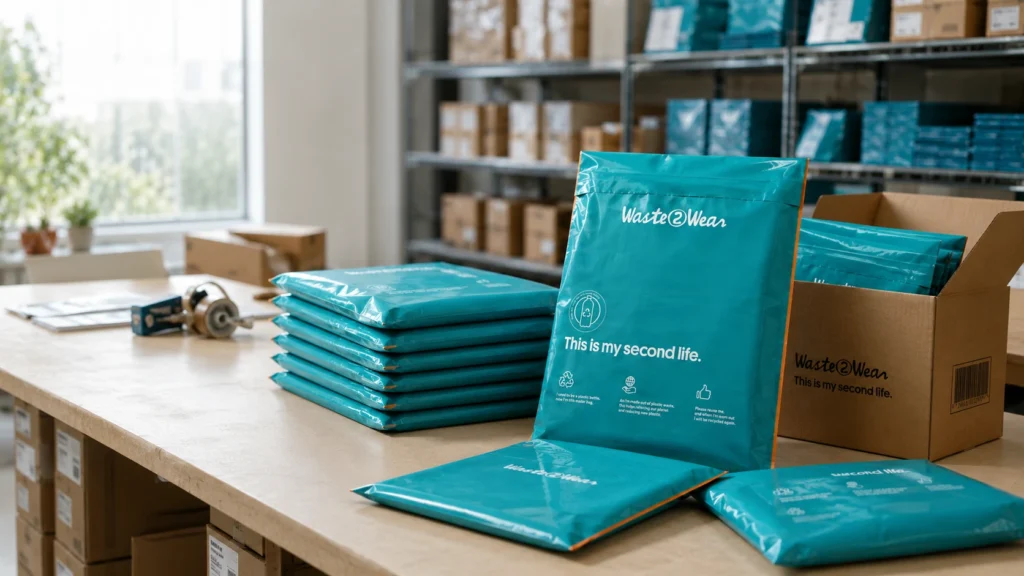
We work with brands, retailers and organisations that want their own garments made from recycled plastic bottles. We develop the fabric, manufacture the finished products in certified factories, and deliver each order with an Environmental Impact Report and QR codes on the products. Brands can also point those QR codes to their own pages, such as a campaign, a product story or a loyalty programme.
Tell us what you want to make, and we will come back to you with fabric options and next steps.
Frequently asked questions
Can clothes be made from plastic bottles?
Yes. Plastic bottles and polyester clothing are both made from PET, so used bottles can be cleaned, melted and spun into polyester yarn. That yarn is knitted or woven into fabric and made into garments such as t-shirts, fleeces, activewear and jackets.
What is clothing made from recycled plastic bottles called?
The material is called recycled polyester, or rPET. A garment made from it is usually labelled as recycled polyester, sometimes with the share of recycled content shown as a percentage.
How many plastic bottles does it take to make a t-shirt?
It depends on the weight of the garment and how much of the fabric is recycled polyester. As a rough guide, a 180 g t-shirt in 100% rPET made from bottles weighing about 15 g each uses around 12 bottles. Larger sizes and heavier garments use more.
Does clothing made from recycled bottles feel like regular clothing?
Yes. Recycled polyester is the same polymer as virgin polyester, so it feels and performs the same. Blending it with cotton gives a softer feel, closer to a regular cotton garment.
Is clothing made from recycled plastic safe to wear?
Yes. The bottles are cleaned and melted at high temperature before they become yarn, and the finished fabric is chemically the same polyester used in everyday clothing.
Is ocean plastic clothing made from plastic taken out of the sea?
Usually not. Most clothing sold as ocean plastic is made from ocean-bound plastic, meaning bottles collected on coastlines and in areas with poor waste collection before they reach the sea.
How can I check that clothing is really made from recycled bottles?
Ask for a recycled content certificate such as GRS, and for a test of the material itself. Our RA3 test measures the exact percentage of recycled polyester in a fabric or garment, and brands can send their own samples for testing.
Which companies make clothing from recycled plastic bottles?
Many fashion and sportswear brands sell clothing made from recycled bottles, and they rely on manufacturers to make it. Waste2Wear has made fabrics and finished products from post-consumer plastic bottles since 2010, for brands, retailers and organisations.