Case studies
Every fabric on this page started as post-consumer plastic waste. What follows is the record of what our clients built from it, how much material each project diverted, and how the recycled content was verified. Where a client has told the story in their own words, we have kept their words.






What a case study means here
A recycled textile is only as good as the evidence behind it. Anyone can print a percentage on a label, and a great many suppliers do, which is why the same claim can mean 100 percent recycled content in one supply chain and 15 percent in another. The projects below are published because we can account for them.
For every project we can say what the material was, where the waste came from, how much of it went into the finished product, and how that figure was checked. Every order we run ships with an Environmental Impact Report, so the saving against virgin material is a number attached to that order rather than a number attached to the industry. On finished goods carrying a QR code, the record sits on a blockchain, so the person holding the product can follow it back rather than take our word for it. Where a client needs the recycled content of an rPET material established independently, RA3 does that.
We supply recycled yarn and fabric by the metre, and we manufacture finished products. Some of the companies below came to us for a roll of cloth. Others came to us for ten thousand uniforms. The verification is the same either way.
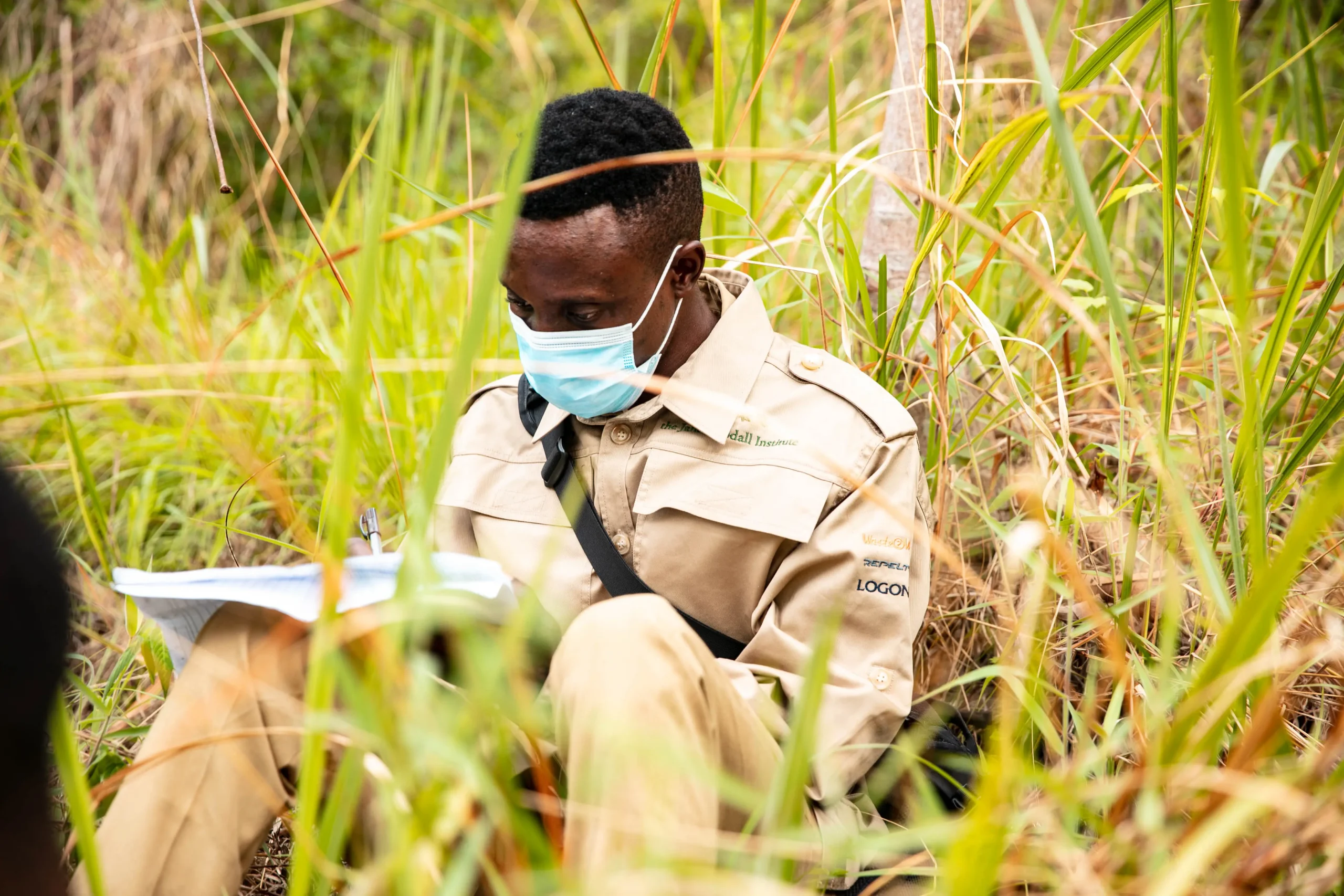
The rangers of Gombe – Jane Goodall Institute
Since 2020, the rangers protecting Tanzania’s endangered chimpanzees have worn uniforms made from post-consumer plastic bottles. The carbon emissions of those uniforms came down by 75 percent.
Browse by industry









How you check what we say
Environmental Impact Report
Every order comes with one. Real energy, water and carbon savings for the material you bought, not a brochure figure.
Patent-pending RA3
Anyone can call a material recycled with barely any recycled content in it. Our own three-step test establishes what’s actually in rPET.
Digital Product Passport
When the DPP requirement lands under ESPR, the data already exists in the record we keep for every order.
Blockchain and the QR code
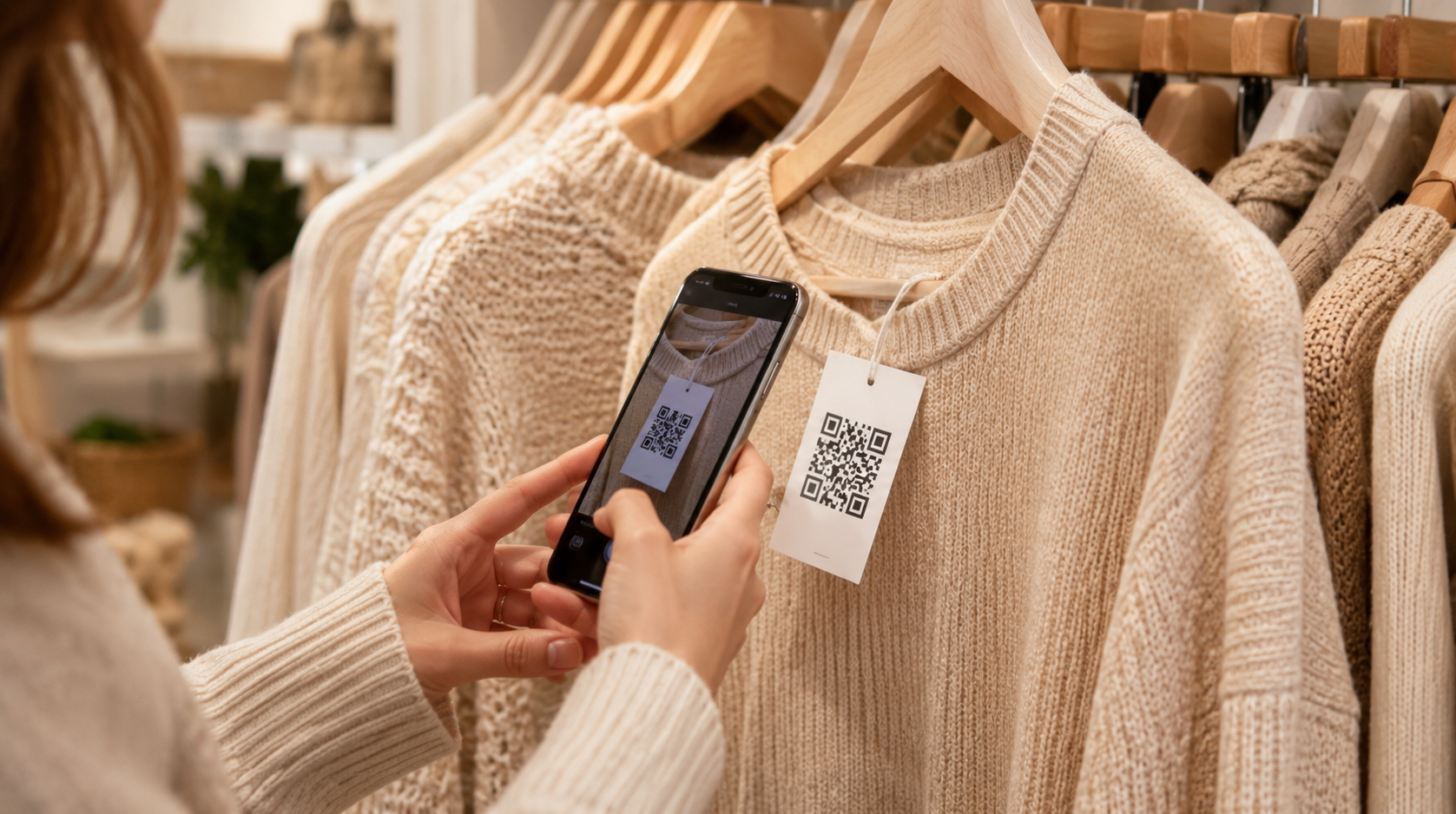
Scan the code on a traceable product to see where the plastic came from, how many bottles went in, and how it was made.
The same fabric, a fraction of the footprint
Our rPET performs identically to virgin polyester across durability, dyeability and moisture management. What changes is what goes into it. Every metre of rPET fabric we produce is made from post-consumer plastic bottles, which cuts the energy, water and carbon cost of production well below that of virgin polyester. The figures below hold true for the material itself. What they cannot tell you is what your product saved, because that depends on the fabric, the construction and the volume you ordered.
Our Environmental Impact Report gives you those numbers for the item you actually made.
70%
less energy used
86%
less water used
75%
less CO₂ emitted
Figures for rPET, measured against virgin polyester production
Ideas, insights, and updates from our team
Building a circular future requires transparency and constant innovation. Here, we share news, insights, and project developments that highlight how we are transforming waste into premium products for global brands.
PPWR Is Now in Force: What Applies From Today, and What Waits Until 2030
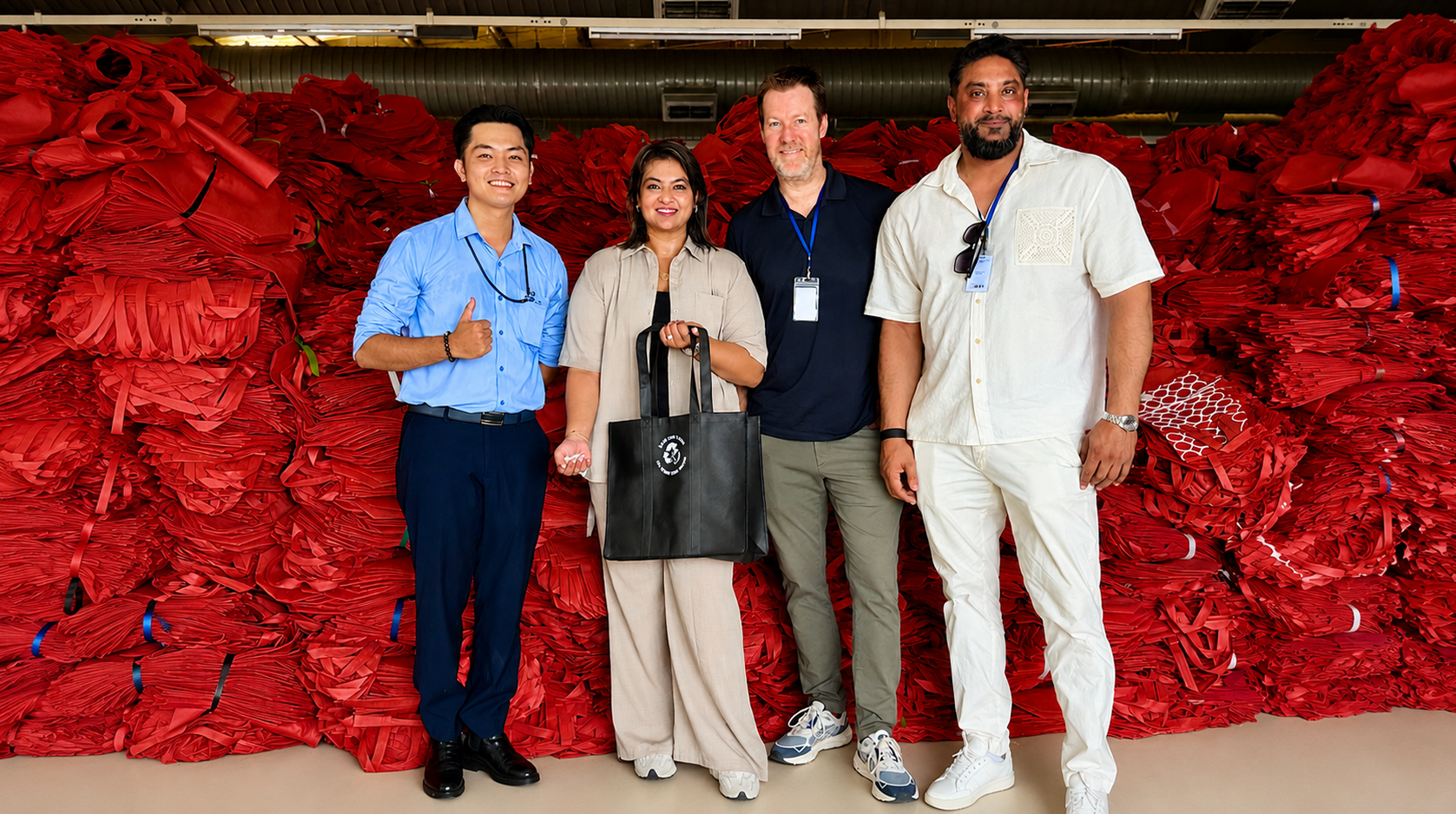
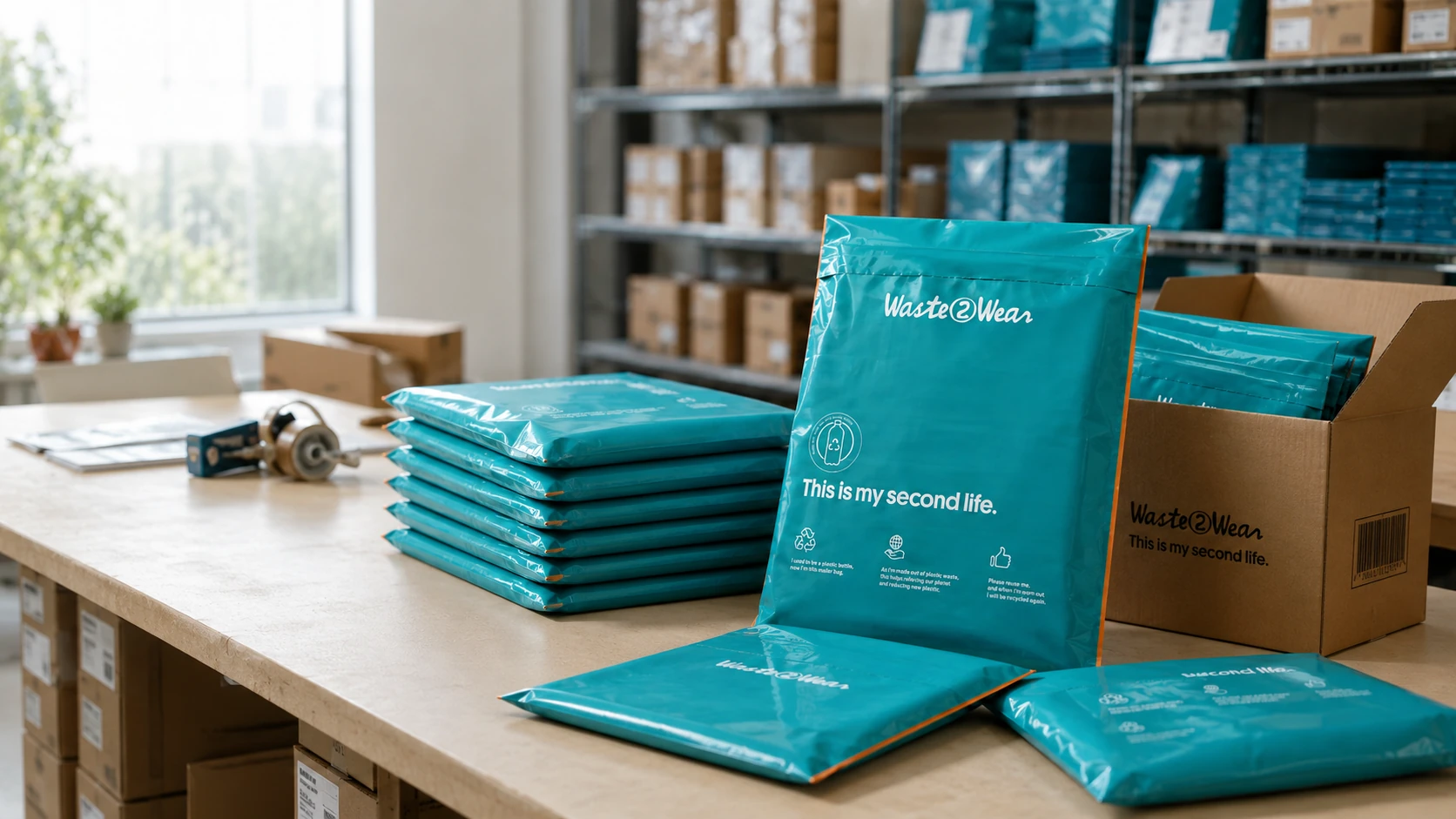
Yesterday’s Food Container, Tomorrow’s Shopping Bag: Waste2Wear and Kwality Holdings Launch in Southern Africa
PPWR supplier questionnaires are arriving. Here’s what brands should ask recycled packaging suppliers
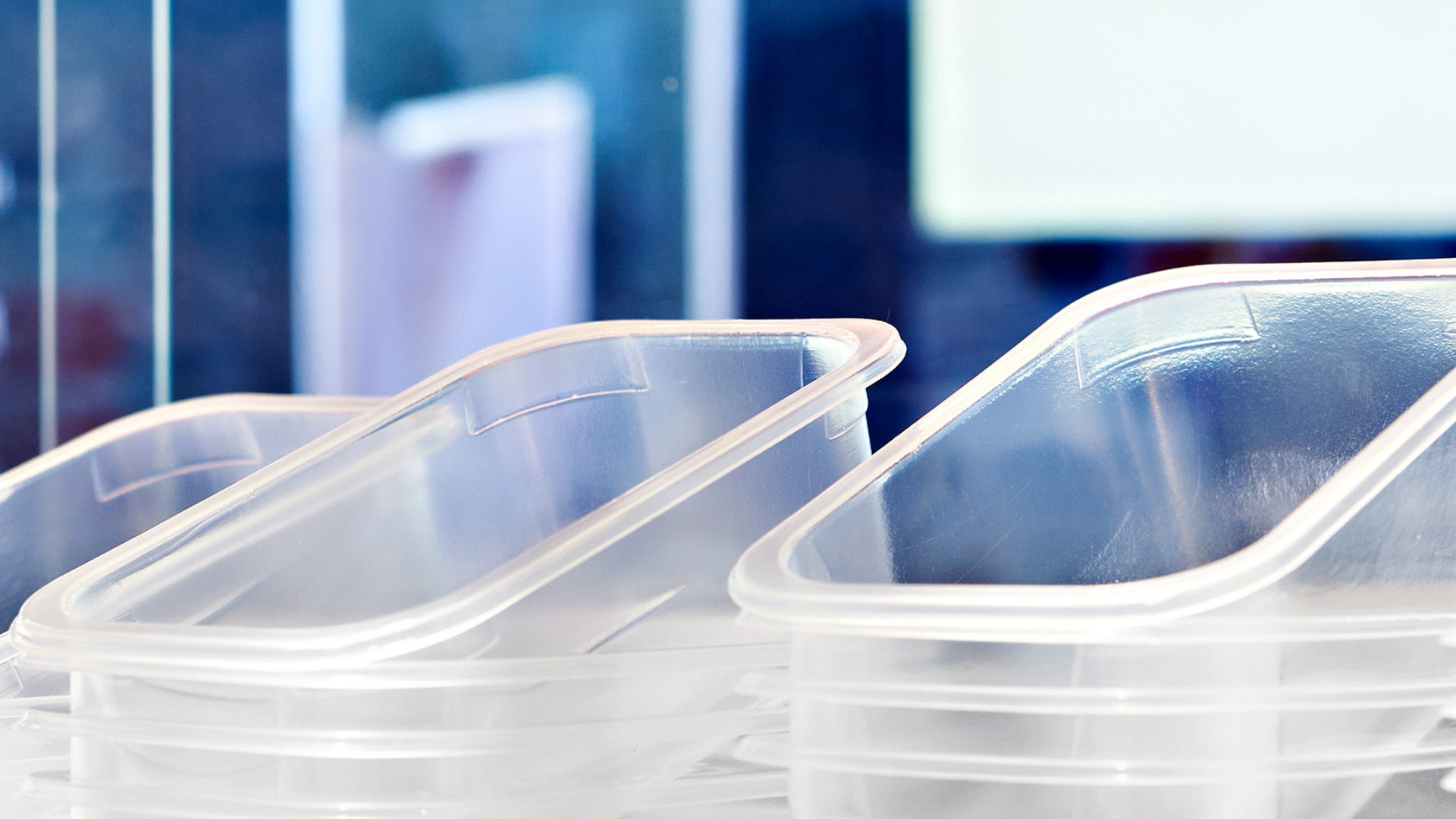
Why we are moving our rPP bags to food-grade post-consumer packaging

PPWR Is Now in Force: What Applies From Today, and What Waits Until 2030
PPWR supplier questionnaires are arriving. Here’s what brands should ask recycled packaging suppliers